

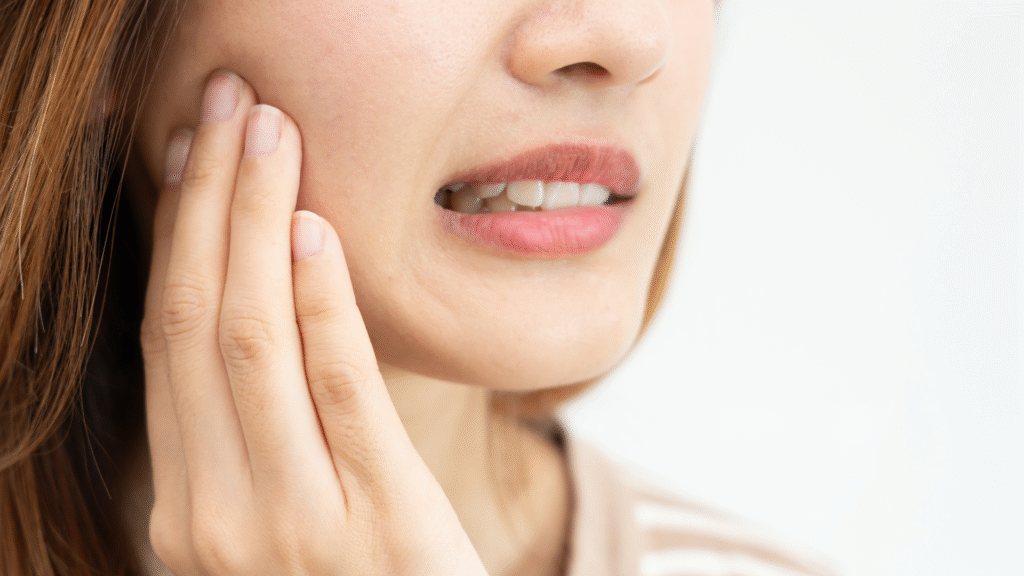
Tooth decay, also known as dental caries, is far more complex than simply a result of poor brushing or an affinity for sweets. Its root causes stem from an intricate interplay between nutrition, microbiology, environmental factors, and even systemic health. Understanding these deeper connections can empower both healthcare professionals and patients to address dental health holistically, preventing decay before it starts.
Teeth are living structures composed of multiple layers:

Tooth decay occurs when minerals are leached from both enamel and dentin, weakening the tooth structure. This process typically begins with plaque formation, which is a sticky film of bacteria that develops on teeth after eating. The bacteria metabolize sugars from food, producing acids that erode enamel.
While regular brushing and flossing help remove surface bacteria, deeper issues such as disrupted mineral flow due to poor diet or systemic imbalances can significantly contribute to decay. Factors like frequent snacking on sugary foods, acid reflux and dysbiosis can exacerbate this condition, leading to cavities if not addressed promptly [1].
Strong teeth depend on adequate nutrition, particularly calcium, vitamin D, and vitamin K2.
When these nutrients are insufficient, teeth lose their mineral density and resilience. Weston A. Price’s pioneering research in the 1930s remains a cornerstone of this understanding. He observed that indigenous populations consuming traditional diets, rich in whole, unprocessed foods, had virtually no cavities. By contrast, Westernized diets heavy in refined sugars and grains led to rampant decay [2].
Saliva is your mouth’s natural defense system, delivering essential minerals like calcium and phosphate to strengthen enamel. It also helps neutralize acids and wash away food particles.
But when saliva flow decreases, known as xerostomia (dry mouth), these protective benefits are lost.
Xerostomia is a common side effect of many medications, particularly anticholinergics, which are used for conditions like allergies, depression, and hypertension [3].
With reduced saliva, teeth lose their natural mineral coating, and the oral microbiome becomes more acidic, leaving teeth vulnerable.
The impact of sugar on tooth decay extends beyond feeding cavity-causing bacteria like Streptococcus mutans. Sugar also reverses the natural mineral flow in dentin tubules, pulling harmful substances inward instead of detoxifying the tooth.
Additionally, acidic foods and drinks like citrus, soda, and coffee – erode enamel over time. The damage compounds when acidic exposure is frequent, such as with constant snacking or sipping on sugary beverages.
Study Insight – Research on acidic beverages has highlighted their role in increasing dental erosion. A study measured the pH and titratable acidity (the amount of base needed to neutralize acidity) of popular U.S. beverages and examined enamel and root lesion depths after exposure. Beverages like Gatorade, Red Bull, Coke, Diet Coke, and 100% apple juice were found to cause significant enamel and root erosion after 25 hours of exposure, with Gatorade® producing the greatest damage. Interestingly, lesion depths were not directly associated with pH or titratable acidity, suggesting other factors contribute to erosion. This emphasizes the erosive potential of acidic drinks, even those perceived as “healthier” [5].
Chewing gum can be a double-edged sword. While it increases saliva flow, it also temporarily raises oral acidity. However, gums containing xylitol can counteract this effect. Xylitol not only neutralizes acid but actively reduces Streptococcus mutans populations, lowering cavity risk [6].
Grinding or clenching teeth, known as bruxism, may seem unrelated to decay but is often a hidden contributor. Bruxism weakens enamel through mechanical wear, making teeth more susceptible to decay.
Addressing these underlying causes, whether through stress management or sleep studies, can protect teeth from further damage.
Yes, you read that right: dental caries can function like a communicable disease, spreading through shared microbiomes in close-contact environments, such as households. Saliva-sharing activities, including sharing utensils, kissing, or brushing teeth near others, provide opportunities for the transmission of cavity-causing bacteria like Streptococcus mutans.
In fact, research has shown that bacterial transmission between caregivers and children plays a significant role in the development of dental caries in early life. A study published in BMC Oral Health highlights how oral health behaviors, particularly in mothers, influence bacterial colonization in their children. This underscores the importance of good oral hygiene practices not just for individual health, but for reducing the risk of bacterial transmission within families [7].
Moreover, household bathroom hygiene habits, like flushing the toilet without closing the lid, can aerosolize harmful bacteria, contaminating toothbrushes and sinks, further spreading cavity-causing organisms.
A holistic approach to dental health goes beyond brushing and flossing. Consider these strategies:
By understanding and addressing these root causes of tooth decay, you can shift from reactive treatment to proactive prevention, ensuring stronger teeth and healthier smiles for generations to come.
Ready to strengthen your teeth naturally and prevent cavities for good? Explore my blog and podcast (where I interview a holistic dentist) for more tips on holistic dental health, and don’t forget to check out my herbal dispensary for products that support oral health. Share your thoughts or questions in the comments below!
References:
→ Want more herbal wisdom like this? Start here.
If you’re feeling stuck, overwhelmed, or unsure where to start on your herbal journey, I’m here to help.
Let’s talk it through together.
I offer a free discovery call where we’ll explore your health or holistic professional career goals and map out supportive first steps tailored just for you.
Book a Complimentary Health Consultation
Book a Holistic Professional Tea Chat
 Ready to transform your medicine cabinet? The Natural Medicine Makeover Guide helps you swap synthetic fixes for safe, effective natural remedies. Packed with expert tips from a pharmacist + herbalist, it’s your go-to resource for a healthier, holistic lifestyle. Plus, see my favorite products in my herbal dispensary.
