


At the heart of histamine activity lies the Mast cell, a powerful immune cell designed to protect us from pathogens and injury. When triggered by allergens, toxins, stress, or trauma, mast cells release histamine as part of the inflammatory response [1].
But in Mast Cell Activation Syndrome (MCAS), these cells become hypervigilant, lashing out at the smallest perceived threat. The result? Chronic histamine release and a body stuck in fight-or-flight mode [2].
This constant immune alert can lead to:
Sound familiar? You’re not crazy. You’re inflamed. And the world has not created space for your sensitive system, until now.
Certain foods naturally contain histamine or trigger its release. This doesn’t mean they’re bad, but in an overloaded system, they can throw fuel on the fire [5].
High-histamine culprits include [6]:
Even gut-healthy ferments can backfire in a histamine-intolerant body. That’s why tuning in to your unique tolerance threshold is key.
Your gut (technically made in the small intestine) enzyme DAO (diamine oxidase) is supposed to clean any excess dietary or mast-cell produced histamines. It acts like your internal bouncer, preventing excess histamine from entering circulation [7].
However, DAO function can be suppressed by:
The result: a body drowning in histamine, and a long list of symptoms that often gets dismissed as anxiety, allergies, or “just stress.”
Healing from HIT is a journey of calming the immune system, restoring gut health, and rebuilding resilience. Let’s get into the plant-powered and holistic toolkit.
Start by reducing your histamine load:
This isn’t about restriction forever, it’s about creating space for healing.
Take a DAO supplement before meals to help break down food-based histamine. Especially helpful when eating out or reintroducing foods.
Nutrients that boost DAO activity include:
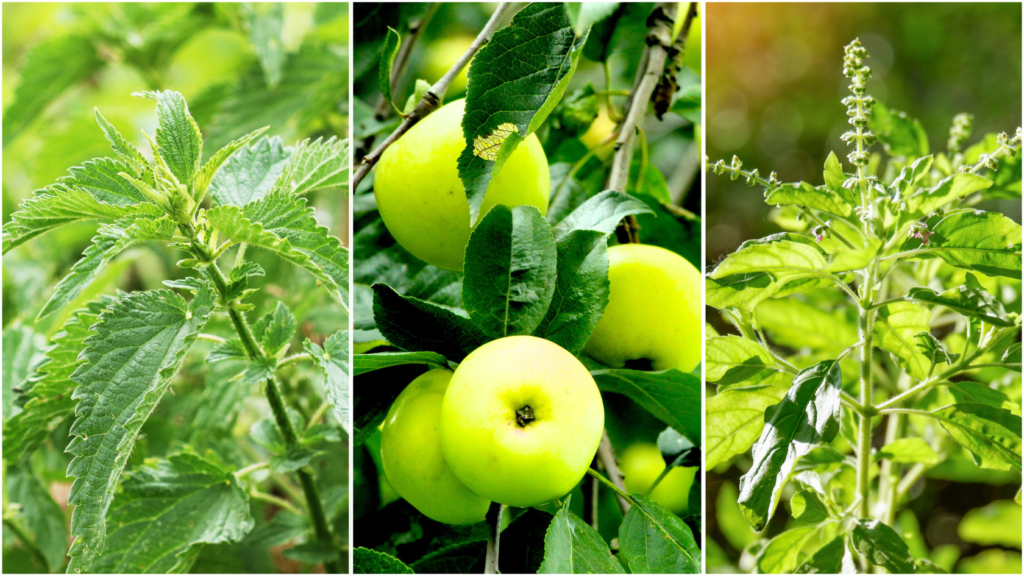
Restore DAO production and immune tolerance by healing the gut lining:
Not all probiotics are helpful here. Avoid strains like Lactobacillus casei or bulgaricus, which may produce histamine.
Instead, try:
Mast cells don’t just respond to allergens, they are also triggered by stress. That’s why calming the nervous system is essential:
When we soften our inner environment, we soothe the storm.
Histamine Intolerance is more than a medical issue, it’s an invitation. A call to honor the body’s wisdom, slow down, and create sacred space for healing. It’s a reminder that your sensitivity is not weakness, it’s a superpower when nurtured correctly.
As a healer, practitioner, or heart-led soul, this journey is about reclaiming your power, listening to the body’s messages, and honoring your role as a sacred steward of your vessel, and of this Earth.
Have you or your clients navigated histamine overload or mast cell issues? What tools or plant allies have helped you on your path?
Comment below, I’d love to hear your story and support your journey.
Looking for therapeutic-grade herbs and supplements?
Visit My Herbal Dispensary for practitioner-recommended products
If you’re feeling overwhelmed or unsure where to start, let’s talk through it together.
Book a Free Tea Talk Call – We’ll explore your health goals and map out supportive first steps tailored to you.
Interested in integrating clinical herbalism into your practice?
Explore the Practitioner Guide to Herbalism – Traditional assessments, protocols, dosing, interactions, and case studies
Join the Holistic Pharmacist Community – A space for healthcare professionals learning to apply clinical and traditional herbal medicine, transition from conventional to holistic care, and build sustainable practices
References:
→ Want more herbal wisdom like this? Start here.
If you’re feeling stuck, overwhelmed, or unsure where to start on your herbal journey, I’m here to help.
Let’s talk it through together.
I offer a free discovery call where we’ll explore your health or holistic professional career goals and map out supportive first steps tailored just for you.
Book a Complimentary Health Consultation
Book a Holistic Professional Tea Chat
 Ready to transform your medicine cabinet? The Natural Medicine Makeover Guide helps you swap synthetic fixes for safe, effective natural remedies. Packed with expert tips from a pharmacist + herbalist, it’s your go-to resource for a healthier, holistic lifestyle. Plus, see my favorite products in my herbal dispensary.
