


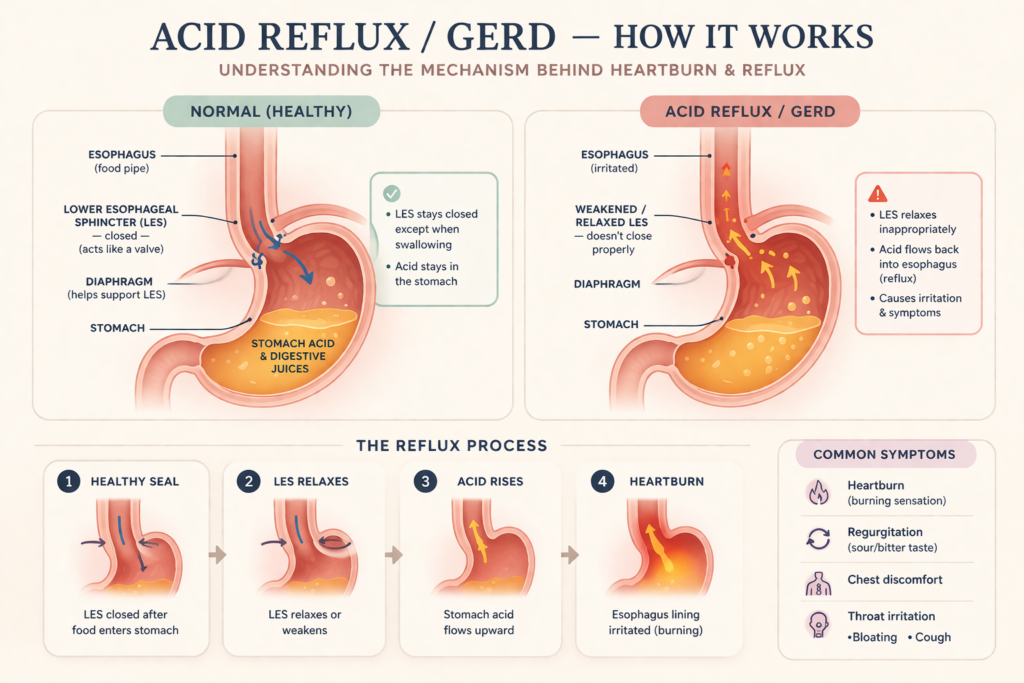
That’s great if you’re dealing with excess acid… but what if your heartburn is actually a sign of not enough stomach acid?
Low stomach acid (hypochlorhydria) is more common than most people think and can cause symptoms similar to acid reflux, like heartburn and bloating [3]. Using antacids or PPIs without addressing the real cause may actually make things worse by further lowering stomach acid, leading to poor digestion and nutrient deficiencies. If you have ongoing symptoms, it’s important to find out whether you have too much or too little stomach acid.
Here’s why relying on acid blockers might not be the miracle cure you think it is:
Stomach acid isn’t just there to cause discomfort; its role is to help digest food and absorb nutrients [4]. Suppressing it messes with the absorption of:
Over time, this can contribute to serious deficiencies, especially in older adults or those already struggling with chronic conditions.
Stomach acid acts as a barrier against pathogens. Reducing acid increases susceptibility to infections like Clostridioides difficile, pneumonia, and gut dysbiosis (e.g., SIBO, candida overgrowth). Long-term PPI use alters gut microbiota, weakening immune defenses and increasing infection risks [5].
Reflux symptoms (heartburn, bloating, burping) may stem from low stomach acid (hypochlorhydria), which impairs digestion and weakens the lower esophageal sphincter. Suppressing acid without addressing the root cause, such as H. pylori infection, aging, or nutrient deficiencies, perpetuate deficiencies, infections, and digestive dysfunction [4].
Ready to ditch the quick fix and actually support your digestion? Here are some tried-and-true, herbalist-approved ways to love your gut back into balance:
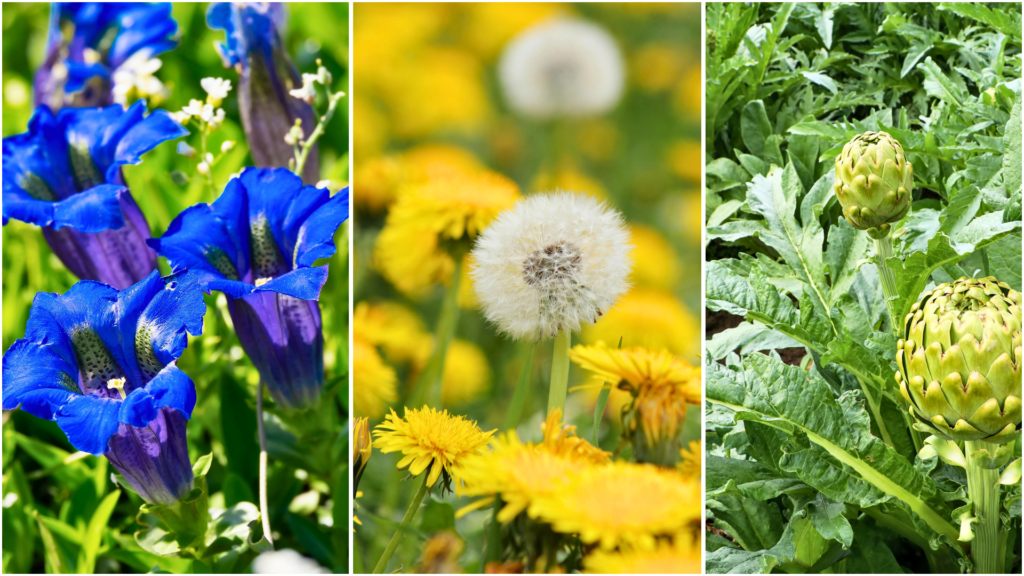
Take herbal bitters (like gentian, dandelion, or artichoke leaf) 10–15 minutes before meals to naturally stimulate:
Bitters prep your body for digestion like a warm-up before a workout. Bitters work by activating bitter taste receptors in your mouth and gut, which triggers a cascade of digestive processes: more saliva, increased stomach acid, and enhanced bile and enzyme secretion essential for breaking down and absorbing nutrients efficiently [6]. This not only helps prevent indigestion and bloating but also supports a healthy gut microbiome and regular bowel movements (plus enhances liver function!).

If you still get a little burny post-meal, swap the antacid for a cup of chamomile or catnip tea. They gently calm your digestive tract and ease gas or cramping without shutting down your gut’s fire.
Slow down. Chew thoroughly. Avoid eating when stressed or distracted. These simple shifts bring your nervous system into parasympathetic mode (aka “rest and digest”), helping your gut do its job beautifully.
To explore more Holistic Solutions for Heartburn Relief (including how to survive rich meals without the burn), check out my blog on Thanksgiving Heartburn Relief. You’ll learn how to make friends with your belly, one bite at a time.
And if you’re ready to stop treating your symptoms like annoying guests and start honoring your body’s deeper messages, my Fullscript herbal dispensary is stocked with gut-loving goodies I recommend.
They might help in the short term, but long-term use can create nutrient deficiencies, mess with your microbiome, and hide the real digestive issue. Instead, support your body’s natural digestive fire with herbs, lifestyle changes, and good old-fashioned chewing.
Because healing isn’t about symptom suppression, it’s about addressing root causes and the agency to choose the best path forward.
Grab my free Natural Medicine Cabinet Remake Guide for a practical starting point in building a plant-based, evidence-informed home apothecary: pages.marinabuksov.com/medicinecabinet
References:
→ Want more herbal wisdom like this? Start here.
If you’re feeling stuck, overwhelmed, or unsure where to start on your herbal journey, I’m here to help.
Let’s talk it through together.
I offer a free discovery call where we’ll explore your health or holistic professional career goals and map out supportive first steps tailored just for you.
Book a Complimentary Health Consultation
Book a Holistic Professional Tea Chat
 Ready to transform your medicine cabinet? The Natural Medicine Makeover Guide helps you swap synthetic fixes for safe, effective natural remedies. Packed with expert tips from a pharmacist + herbalist, it’s your go-to resource for a healthier, holistic lifestyle. Plus, see my favorite products in my herbal dispensary.
