
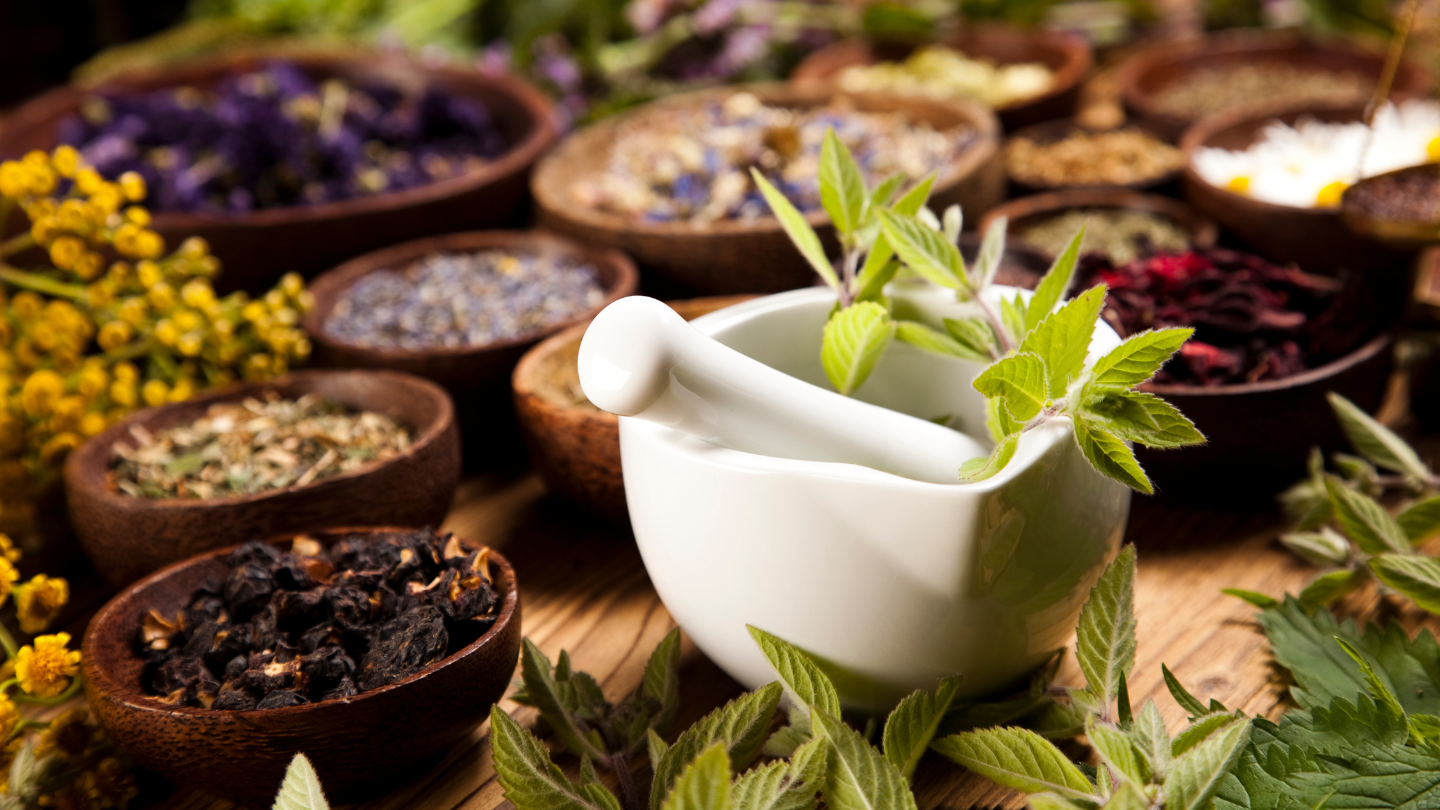
Did you know that herbalism and pharmacy used to be one and the same?
Before we had white coats, sterile blister packs, and multi-billion-dollar pharmaceutical companies, we had apothecaries—skilled herbalists who healed with roots, barks, leaves, and flowers.
In ancient civilizations like Egypt, India, China, and Mesopotamia, herbalism was healthcare. Knowledge was passed down through generations, and plant-based medicine was considered both art and science.
So what happened?
As chemistry advanced, scientists began isolating active compounds from plants. This led to the rise of modern pharmacy—focused on standardized, lab-based drugs.
Then came the Flexner Report in the early 1900s. Funded by the Carnegie Foundation, it overhauled medical education in the U.S. and Canada, pushing for “scientific rigor”—but also sidelining herbal and traditional practices.
This shift didn’t just change what was taught in schools. It changed who got to practice medicine, and which treatments were considered legitimate.
Pharmacy became synthetic. Herbalism was labeled “alternative.”
But here’s the kicker:
- Many modern meds are based on herbal compounds (hello, aspirin from willow bark!)
- Herbalism is still thriving across the globe.
- And there’s a growing demand for integrative, holistic care.
Pharmacy and herbalism aren’t opposites—they’re branches of the same tree.
And the roots? They’re still alive and thriving.
Want to reconnect with the herbal foundations of your pharmacy practice? Let’s talk. Message me or check out my mentorship offerings.