
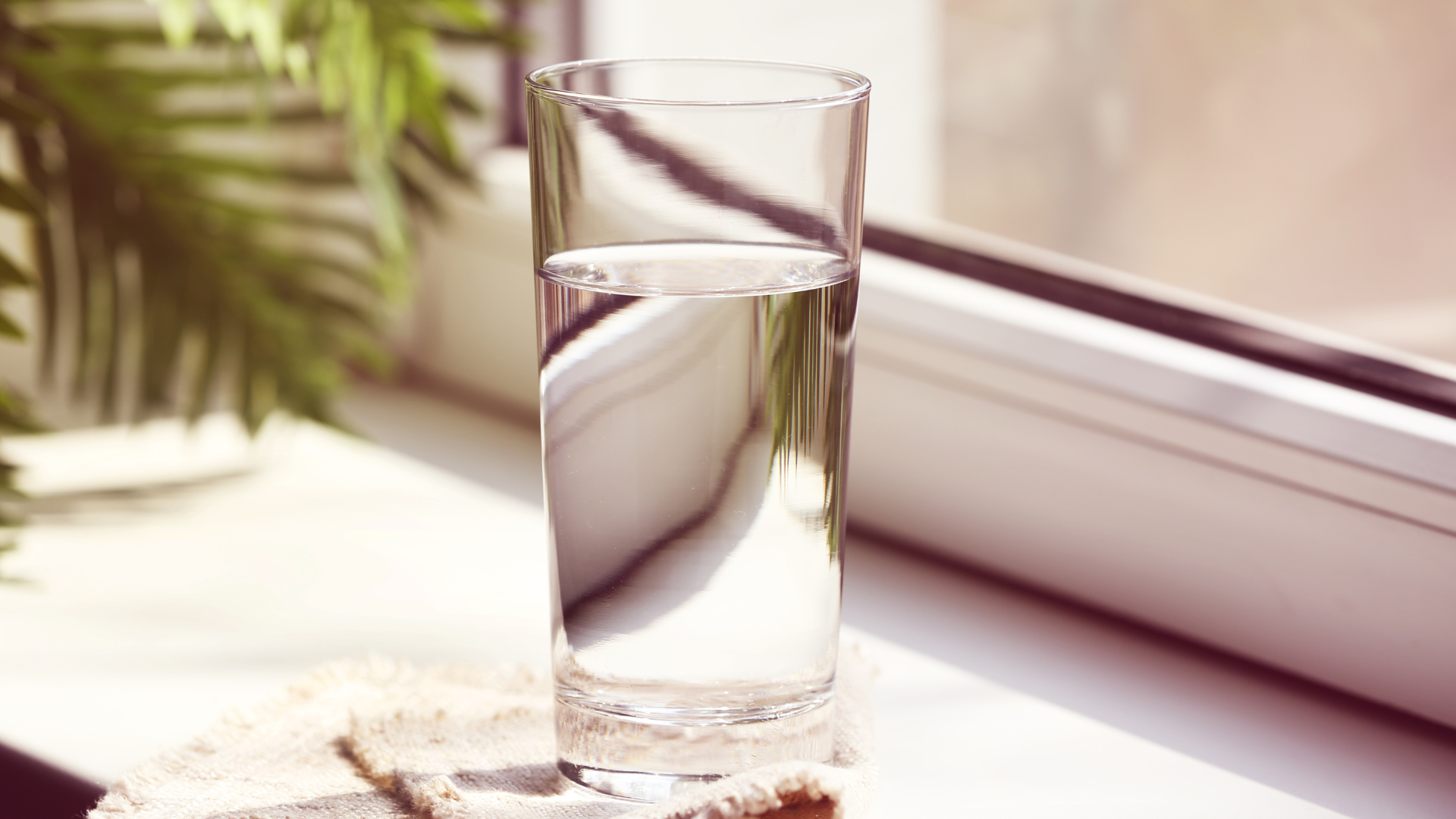
Sometimes the most powerful healing tools come in the smallest packages. Molecular hydrogen (H2)—just two hydrogens bonded together—has been making waves in the scientific community for its profound therapeutic potential. With documented antioxidant, anti-inflammatory, and anti-apoptotic properties, H2 is being studied for conditions ranging from metabolic syndrome to neurodegenerative diseases [1].
Unlike other antioxidants that indiscriminately scavenge free radicals, H2 has a selective effect. It neutralizes only the most harmful radicals (like hydroxyl radicals), leaving beneficial signaling molecules untouched. That means less disruption of your body’s intricate intelligence.
How Hydrogen Works in the Body
What’s fascinating is that we’re not entirely dependent on fancy devices or supplements to access hydrogen. Our bodies already produce endogenous H2 in the gut, thanks to our intestinal microbiota. When certain carbohydrates and plant compounds are fermented, molecular hydrogen is released [2].
This means that what you eat—and specifically, the plant/herb and fiber rich content you consume—directly influences your body’s natural hydrogen production.
Herbs and Foods That Boost H2
Here’s where plant medicine shines (as usual). Research shows that herbs like turmeric (Curcuma longa) can stimulate endogenous H2 production [3]. Other herbs and foods that may support this process include:
- Prebiotic fibers [ Onions (Allium cepa), Garlic (Allium sativum L.), Asparagus (Asparagus officinalis), Dandelion root (Taraxacum officinale) ] – feed beneficial bacteria that generate hydrogen.
- Polyphenol-rich herbs [ (Green tea, Rosemary (Salvia rosmarinus), Sage (Salvia officinalis) ] – provide antioxidant synergy while enhancing gut fermentation pathways.
- Resistant starches (Green Bananas, cooked-then-cooled rice/potatoes) – increase fermentation, producing more hydrogen.
In other words, a gut-friendly, herb-rich diet doesn’t simply provide fermentable fiber, it’s literally fueling your body’s own hydrogen therapy.
Hydrogen Water & Industry Standards
Beyond diet, many people look to hydrogen water as a direct source of H2. There are two main methods:
- Effervescent Tablets (Magnesium-Based):
- Pros: Portable, affordable, consistent hydrogen concentration.
- Cons: Single-use, requires ongoing purchase. Magnesium extraction in general poses environmental, ethical (labor exploitation), and supply chain concerns linked to mining and production practices, including high-energy coal extraction methods resulting in high carbon dioxide (CO₂) emissions, and considerable waste and greenhouse gases during the processing phase.
- Best for: Beginners or those traveling.
- Hydrogen Water Generators (Electrolysis Devices):
- Pros: Long-term investment, high-quality production, reusable.
- Cons: Higher upfront cost, requires maintenance.
- Best for: Daily users who want consistent access.
What to look for:
- Concentration: Aim for 0.5–1.6 ppm hydrogen in water.
- Testing: Reputable brands provide third-party lab verification.
- Purity: Devices should not leach metals or ozone.
Both methods are effective, but the best choice depends on lifestyle, budget, and commitment level.
Safety and Clinical Research
So far, molecular hydrogen has demonstrated a remarkable safety profile with virtually no toxicity. Clinical trials have explored its role in improving oxidative stress, reducing inflammation, and supporting neurological and metabolic health [4]. While the research is still evolving, the early data is extremely promising.
Integrating Hydrogen Into a Holistic Lifestyle
Please hear me when I say: H2 isn’t a silver bullet—it’s a supportive ally. Our biological systems don’t exist in a vacuum, and we cannot use reductionist approaches. For best results, pair hydrogen therapy with:
- Herbal allies: turmeric, green tea, rosemary, and other polyphenol-rich herbs.
- Breathwork & movement: enhancing oxygenation and redox balance.
- A whole-foods diet: especially fermented foods, resistant starches, and plant matter.
Think of H2 as a subtle yet powerful partner that amplifies what herbs and healthy lifestyle practices are already doing in your body.
Final takeaways
The idea that such a tiny molecule could unlock profound healing potential is humbling. Whether through turmeric and gut fermentation, or through sipping hydrogen-rich water, we have multiple pathways to invite this ally into our lives.
Curious to go deeper? 🎧 Listen to my podcast episode S08E16: The Marvelous Benefits of Molecular Hydrogen with Greg The Hydrogen Man, where Greg shares how hydrogen supports longevity, gut health, and resilience against stressors like EMF radiation, skincare challenges, tumors, hormone imbalances, and even COVID-19.
👉 Comment below and let me know—would you try hydrogen water, or do you prefer to boost your body’s natural production with herbs and diet?
References:
- Ge, Li, Ming Yang, Na-Na Yang, Xin-Xin Yin, and Wen-Gang Song. 2017. “Molecular Hydrogen: A Preventive and Therapeutic Medical Gas for Various Diseases.” Oncotarget 8 (60): 102653–73. https://doi.org/10.18632/oncotarget.21130.
- Campbell, Austin, Kristi Gdanetz, Alexander W. Schmidt, and Thomas M. Schmidt. 2023. “H2 Generated by Fermentation in the Human Gut Microbiome Influences Metabolism and Competitive Fitness of Gut Butyrate Producers.” Microbiome 11 (1). https://doi.org/10.1186/s40168-023-01565-3.
- Prasad, Sahdeo, and Bharat B. Aggarwal. 2011. “Turmeric, the Golden Spice.” Herbal Medicine – NCBI Bookshelf. 2011. https://www.ncbi.nlm.nih.gov/books/NBK92752/.
- Yıldız, Fatmanur, Tyler W LeBaron, and Duried Alwazeer. 2025. “A Comprehensive Review of Molecular Hydrogen as a Novel Nutrition Therapy in Relieving Oxidative Stress and Diseases: Mechanisms and Perspectives.” Biochemistry and Biophysics Reports 41 (January): 101933. https://doi.org/10.1016/j.bbrep.2025.101933.