


But it didn’t address the underlying mechanisms causing the severity of the cramps.
Month after month, women would come back. Same pain. Same pills. No real solution. Just temporary relief and a growing dependence on medications that came with their own side effects (stomach irritation, increased bleeding, potential liver and kidney issues with long-term use).
Then I discovered herbal medicine. And everything changed.
Not because herbs are “magic.” But because they work WITH your body’s innate wisdom instead of just silencing its signals.
Today, I want to share what I’ve learned about natural relief for menstrual cramps. Not as a replacement for modern medicine (I’m still a licensed pharmacist who values evidence-based care), but as a powerful complement that addresses root causes instead of just masking symptoms.
Let’s start with the truth that changed my perspective: period pain isn’t normal.
Common? Yes. Nearly universal in our modern world? Absolutely.
But normal? No.
Your menstrual cycle should flow (pun intended) without debilitating pain. When cramps are severe, they’re your body’s way of saying something is out of balance.
Here’s what might be happening:
Excess Prostaglandins: Your uterus produces prostaglandins to help shed its lining. Too many prostaglandins mean stronger, more painful contractions. (This is where inflammation enters the picture.)
Poor Circulation: Stagnation in pelvic blood flow can intensify cramping. Traditional Chinese Medicine has understood this for thousands of years [1].
Hormonal Imbalance: Low progesterone or estrogen dominance can worsen period pain. (If you haven’t read my blog on understanding your menstrual cycle phases, start there.)
Liver Congestion: Your liver metabolizes and eliminates excess hormones. When it’s sluggish, hormones recirculate, causing more inflammation and pain. (More on this connection to liver detoxification later.)
Nutritional Deficiencies: Low magnesium, omega-3s, B vitamins, and iron all contribute to increased cramping [2].
Stress and Nervous System Dysregulation: Chronic stress amplifies pain perception and increases inflammatory responses.
See the pattern? Cramps aren’t just a uterus problem. They’re a whole-body message.
For thousands of years, women across cultures have turned to plants for menstrual support. Not because they were “woo-woo” or lacked options, but because these remedies worked.
Modern research is finally catching up, validating what traditional healers have known all along.
Let me introduce you to some of the most powerful herbal allies for menstrual cramps.
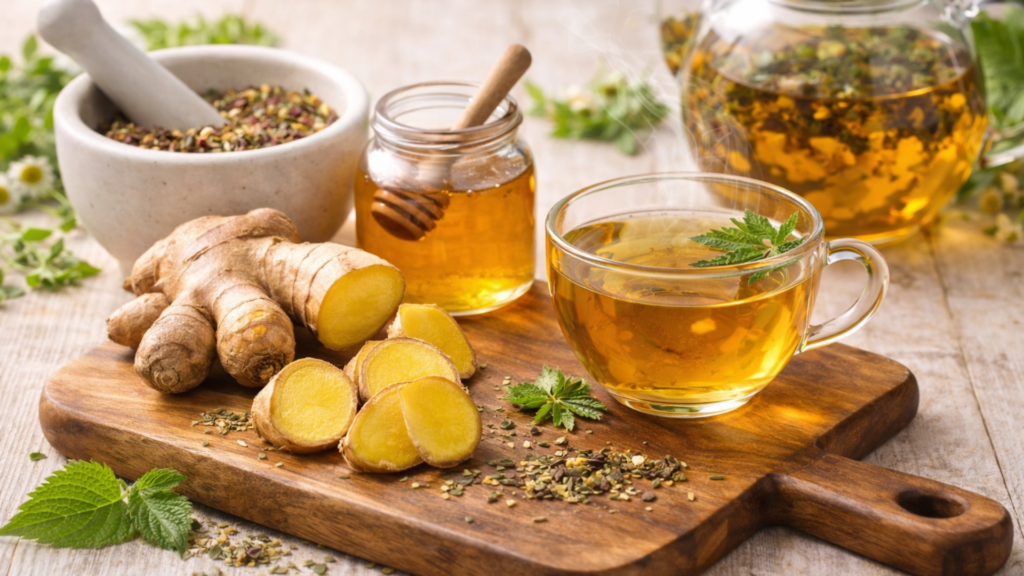
Ginger (Zingiber officinale): Nature’s Anti-Inflammatory Powerhouse
Ginger is one of my absolute favorites for menstrual pain, and the research backs this up strongly.
How it works: Ginger contains compounds called gingerols and shogaols that act as COX-2 inhibitors (just like ibuprofen), blocking the enzyme that produces inflammatory prostaglandins [3].
The evidence: Multiple randomized controlled trials show that ginger is as effective as mefenamic acid and ibuprofen for reducing menstrual pain, with significantly fewer side effects. One study found that 250mg of ginger powder four times daily was as effective as 400mg of ibuprofen [4].
How to use it:
My experience: I keep fresh ginger root in my kitchen year-round. At the first sign of cramping – whether it’s menstrual or intestinal, I make a strong ginger tea with honey and lemon. The warmth alone is soothing, but the pain relief that follows is genuine. (Alternatively, see: Walnut Ginger Tea recipe.)
Fennel has been used in traditional Persian and Mediterranean medicine for centuries to ease “women’s complaints.”
How it works: Fennel contains anethole, a compound with anti-spasmodic and mild estrogenic properties. It relaxes smooth muscle tissue (including your uterus) and has anti-inflammatory effects.
The evidence: Studies show fennel extract reduces menstrual pain intensity and duration. One trial found that fennel was as effective as mefenamic acid for dysmenorrhea, with participants reporting significant improvement in pain severity [5].
How to use it:
Bonus benefit: Fennel also helps with bloating and gas, common companions of menstrual discomfort.
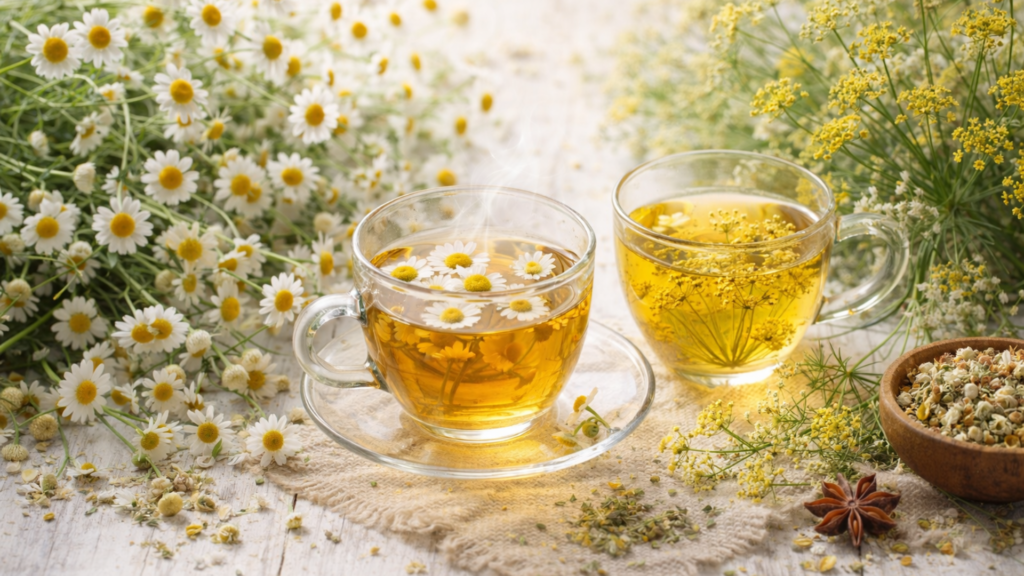
Don’t underestimate this gentle flower. Chamomile is a powerhouse for menstrual pain.
How it works: Chamomile contains compounds that act on GABA receptors (calming the nervous system) and block calcium channels (reducing muscle spasms in the gut and uterus). It also has mild anti-inflammatory properties.
The evidence: Research shows chamomile increases urinary levels of glycine, an amino acid that relieves muscle spasms. This explains its effectiveness for menstrual cramping [6]. Studies also show it reduces anxiety and improves sleep quality during menstruation.
How to use it:
My ritual: I drink chamomile tea every evening during my period, not just for physical relief but for the emotional support it provides. It’s like a hug and sunshine infused into a cup, and my go-to ally for self-care.
Sometimes plants are named for exactly what they do. Cramp bark is one of those plants.
How it works: Cramp bark contains compounds called scopoletin and viopudial that relax smooth muscle and reduce uterine spasms. It’s been used in Eclectic and Native American herbalism specifically for menstrual and labor pains [7].
The evidence: While modern clinical trials are limited, cramp bark has extensive historical use and strong traditional evidence. Herbalists consider it one of the most reliable uterine anti-spasmodics.
How to use it:
Note: Cramp bark works best when taken at the first sign of cramping, not after pain is already severe. This was my ally during the first couple of days postpartum to ease uterine cramps while establishing breastfeeding with my babies (sans ibuprofen!).
In Traditional Chinese Medicine, Dong Quai is revered as one of the most important herbs for women’s health.
How it works: Dong Quai is both a blood tonic and a circulatory stimulant. It improves pelvic blood flow, reduces stagnation, and has mild analgesic properties. It also helps regulate the menstrual cycle.
The evidence: Used for over 2,000 years in Chinese medicine, Dong Quai is considered a “blood builder” and circulation enhancer. Modern research shows it contains ferulic acid and ligustilide, compounds that relax smooth muscle and have anti-inflammatory effects [8].
How to use it:
Important: Avoid during pregnancy and if you have very heavy bleeding. Dong Quai is best used throughout the month for cycle regulation, not just during menstruation.
Raspberry leaf is famous as a pregnancy herb, but its benefits extend to all menstruating women.
How it works: Raspberry leaf tones and strengthens uterine muscles while also relaxing them when they spasm. This seemingly paradoxical action is what makes it so valuable [9]. It’s rich in minerals (especially iron and magnesium) that support healthy menstruation.
The evidence: Traditionally used by midwives and herbalists for centuries, raspberry leaf contains fragarine, a compound that tones the pelvic muscles. Modern studies show it’s safe and may reduce menstrual pain when used consistently.
How to use it:
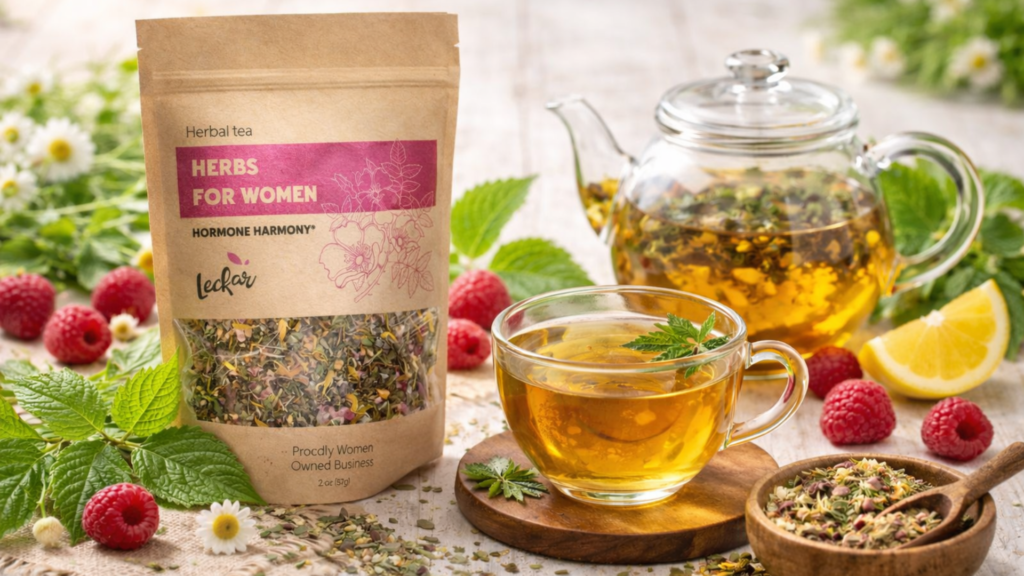
My approach: I drink raspberry leaf tea throughout my entire cycle, and during pregnancy (especially the second and third trimesters). It’s a subtle, but powerful uterine tonic. (Alternatively, strawberry leaves can be used for an even more gentle toning effect.)
Yes, the same cinnamon in your spice cabinet is powerful medicine for menstrual pain.
How it works: Cinnamon has anti-inflammatory, anti-spasmodic, and blood sugar-regulating properties. It also improves circulation and has mild warming qualities that ease cramping.
The evidence: Iranian studies show cinnamon reduces menstrual bleeding and pain. One trial found that 420mg of cinnamon three times daily significantly reduced pain intensity, nausea, and vomiting during menstruation [10].
How to use it:
*Important Note: Use Ceylon cinnamon (true cinnamon), not Cassia cinnamon, especially if using therapeutically. Ceylon has lower levels of coumarin, a compound that can be problematic in high doses.
Damiana is less known but incredibly valuable, especially for women whose cramps come with anxiety, tension, or low mood.
Check out my blog: A Daily Dose of Damiana to Keep the Doctor Away.
How it works: Damiana is both a nervine (calms the nervous system) and a gentle uterine tonic. It helps with pain that’s exacerbated by stress and supports both physical and emotional well-being during menstruation.
The evidence: While clinical trials are limited, damiana has extensive traditional use in Mexican and Central American herbalism for “female weakness” and menstrual discomfort. It’s particularly valuable for women with PMS-related mood changes [11].
How to use it:
If your cramps come with excessive bleeding, these two herbs are your allies.
Shepherd’s Purse (Capsella bursa-pastoris): This humble “weed” is one of the most effective herbs for slowing heavy menstrual bleeding. It contains compounds that promote blood clotting and tone the uterus [12].
How to use:
Yarrow (Achillea millefolium): Yarrow is both a blood mover (improves circulation) and a blood stauncher (reduces excess bleeding) [13]. This seemingly contradictory action makes it perfect for menstrual regulation.
How to use:
Important: Heavy bleeding (soaking through a pad in an hour, passing large clots, bleeding lasting more than 7 days) warrants medical attention. These herbs can support treatment but shouldn’t replace proper diagnosis.
Here’s something most people don’t realize: your liver health directly impacts your period pain.
Your liver is responsible for metabolizing and eliminating used hormones, particularly estrogen. When your liver is sluggish or overburdened, hormones recirculate, creating a state called “estrogen dominance.”
Estrogen dominance increases prostaglandin production, which means more inflammation and more cramping.
Supporting your liver isn’t just about detox (though that helps). It’s about giving your body the tools to regulate hormones naturally.
This is where bitter herbs come in. Herbs like dandelion, milk thistle, artichoke, and burdock support liver function by:
I’ve written extensively about enhancing natural liver detoxification with bitter herbs. If menstrual cramps are a recurring issue for you, supporting your liver might be the missing piece.
Practical tip: Take digestive bitters 15 minutes before meals throughout the month. Not only will this support liver function and hormone metabolism, but it will also improve overall digestion and reduce bloating (a common PMS symptom).
While herbs are powerful, they work best as part of a holistic approach to menstrual health.
Nutritional support, lifestyle practices, and stress management all play crucial roles in reducing menstrual discomfort. Rather than repeat information I’ve already covered extensively, I recommend reading my comprehensive Blog on Holistic Approaches to Menstrual Discomfort, Infertility, and Female Reproductive Health
Putting It All Together: Your Herbal Protocol
Here’s how I recommend approaching natural relief for menstrual cramps:
Throughout Your Entire Cycle:
One Week Before Your Period:
During Menstruation:
Important: Start with one or two herbs and see how your body responds. You don’t need to take everything at once. Listen to your body and adjust accordingly.
Natural approaches are powerful, but they’re not always enough. See a healthcare provider if you experience:
These symptoms warrant proper investigation to rule out conditions like endometriosis, fibroids, or adenomyosis.
I wish for all girls and women to know that severe period pain wasn’t something I just had to live with.
Rather than think our bodies are failing us, I wish for us to understand it’s actually speaking to us.
And I wish for us to learn that plants could offer genuine relief without the side effects of pharmaceutical pain relievers.
You don’t have to choose between modern medicine and natural healing. The most powerful approach integrates both.
Use herbs to support your body’s innate wisdom. Address root causes like inflammation, liver congestion, and hormonal imbalance. And when you need pharmaceutical intervention, use it without guilt.
Your body isn’t the enemy. Your cramps aren’t a punishment.
They’re an invitation to come home to yourself. To listen. To nourish. To heal.
Learn More About Your Cycle
Understanding your body’s natural rhythm is the first step toward healing.
Read: Know Your Flow – The Four Phases of the Menstrual Cycle Explained
Support Your Liver for Better Hormone Balance
Healthy liver function is crucial for menstrual health.
Read: Enhancing Natural Liver Detoxification – Bitter Herbs to the Rescue
Read: Herbal Bitters to the Rescue – Boost Digestion and Balance Your Gut Naturally
Download Free Resources
5 Herbs Every Woman Should Know – Essential botanical allies for female health
Mayan Womb Massage Self-Care Guide – Ancient healing technique for pelvic wellness
Natural Medicine Makeover Guide – Swap synthetic fixes for natural remedies
Master Your Health in 5 Simple Steps – Quick-start guide to holistic wellness
Shop High-Quality Herbal Products
Looking for therapeutic-grade herbs and supplements?
Visit My Herbal Dispensary for practitioner-recommended products
Work With Me
If you’re feeling overwhelmed or unsure where to start, let’s talk through it together.
Book a Free Tea Talk Call – We’ll explore your health goals and map out supportive first steps tailored to you.
No pressure. No sales pitch. Just support.
For Healthcare Professionals
Interested in integrating clinical herbalism into your practice?
Explore the Practitioner Guide to Herbalism – Traditional assessments, protocols, dosing, interactions, and case studies
Join the Holistic Pharmacist Community – A space for healthcare professionals learning to apply clinical and traditional herbal medicine, transition from conventional to holistic care, and build sustainable practices
Period pain is common, but it doesn’t have to be your reality.
Your body is brilliantly designed. When you give it the support it needs (real food, gentle herbs, nervous system regulation, compassion, and time), it remembers how to heal itself.
Works Cited:
→ Want more herbal wisdom like this? Start here.
If you’re feeling stuck, overwhelmed, or unsure where to start on your herbal journey, I’m here to help.
Let’s talk it through together.
I offer a free discovery call where we’ll explore your health or holistic professional career goals and map out supportive first steps tailored just for you.
Book a Complimentary Health Consultation
Book a Holistic Professional Tea Chat
 Ready to transform your medicine cabinet? The Natural Medicine Makeover Guide helps you swap synthetic fixes for safe, effective natural remedies. Packed with expert tips from a pharmacist + herbalist, it’s your go-to resource for a healthier, holistic lifestyle. Plus, see my favorite products in my herbal dispensary.
