

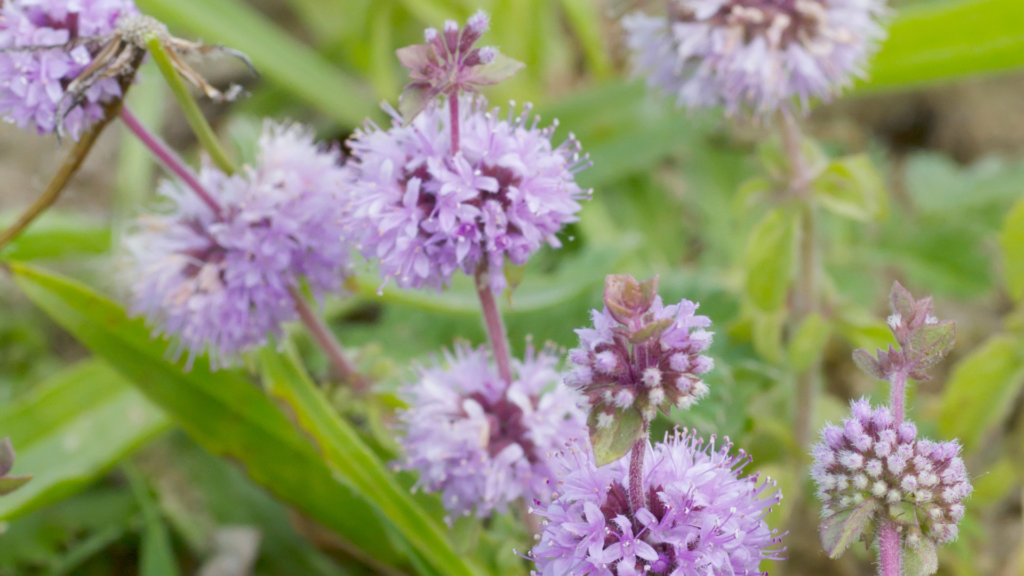

A plant dieta is a practice rooted in indigenous Amazonian traditions, though variations exist across many earth-based cultures. It involves entering into a committed, intentional relationship with a specific plant over a period of time, typically through dietary restrictions, reduced sensory input, and dedicated practice, in order to receive the plant’s deeper teachings.
I’ve done two dietas now, both with non-psychedelic plants. The first was with mugwort, who taught me about liminal realms, ancestral connection, and trusting my own intuition as a genuine source of knowledge and power.
The second, which I’m still in, is with nettles.
Nettles came in with a clear agenda: boundaries.
Not just dietary ones, though I did keep to natural, unprocessed foods throughout. The boundaries nettles called me toward were relational, energetic, and deeply practical. It pushed me to look honestly at what I was allowing in: which relationships were draining me, where technology was stealing my attention, and how much of my calendar was packed with output when what I actually needed was space.
I was guided to significantly reduce screen time across all devices, to create more white space in my days, and to go deeper into my internal world through meditation, Akashic records work, singing and vocal activation, drumming, and dancing.
It wasn’t what I expected. But it was exactly what I needed.
Nettles is what’s known as a hedge herb, and that matters more than it might sound.
The hedge, in folk and earth-based traditions, is not just a physical boundary between a village and the wild. It’s a threshold between worlds. The known and the unknown. The tame and the feral. The visible and the unseen.
The term “hedge witch” is often traced back to the Anglo-Saxon hægtesse, meaning hedge-rider: a practitioner who lived and worked along those in-between places. On one side of the hedge was civilization. On the other lay the wild, the spirit realm, the untamed. The hedge witch moved between both. She was a healer, a cunning woman, a keeper of practical and esoteric knowledge, learned from older family members and mentors, refined through years of practice, plants, and presence.
Hedge witchery tends to center the home as sacred space. The hearth and kitchen as places of magic. The everyday as deeply numinous. And the hedge itself as the boundary that made that sacred inner space possible.
Nettles grows right there, on the edge. It’s fitting.
Hedge herbs aren’t just folklore. They’re a diverse group of wild, edible, and medicinal plants that grow in, on, or around hedgerows, and they’ve been used across traditions for foraging, medicine, and creating the kind of living, biodiversity-rich landscape barriers that protect what’s inside them.
In plant spirit traditions, hedge herbs represent boundary-crossing, protection, spirit flight, divination, and the threshold between the mundane and the sacred. They’re the plants that know how to stand at the edge and hold it.
Below are some of the hedge herbs I’ve encountered in my own work, and what each one carries.
For establishing boundaries and protection
I wrote a full piece on Rose, Hawthorn, and Bramble here, but the short version is this: thorns are not flaws. They’re features. They’re the protective architecture that makes the soft, flowering expression of the plant possible. Physically, these plants carry heart medicine, astringent tannins that tone tissue and create structural integrity in the body, and deep immune-supportive compounds. Energetically, they teach that beauty and protection are not opposites. You can be open and boundaried at the same time.
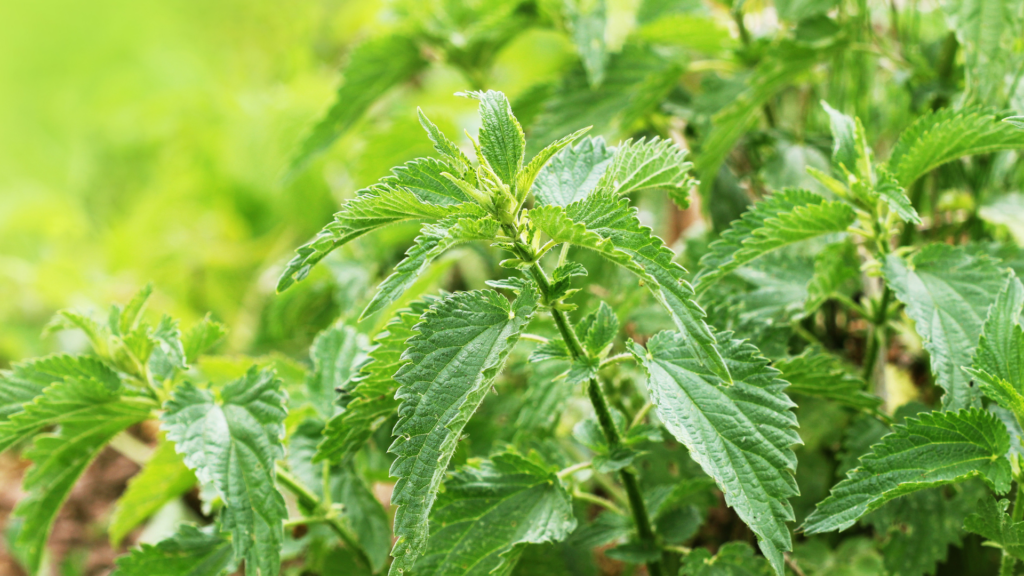
Ruled by Mars and Pluto
Physically, nettles is one of the most nutritionally dense plants available to us: rich in protein, iron, calcium, magnesium, and vitamins A, C, and K. It’s a powerful tonic, a natural antihistamine, and well-studied for its anti-inflammatory properties, particularly useful for seasonal allergies, joint pain, and benign prostatic hyperplasia. Topically, its stinging trichomes act as a counter-irritant for rheumatic and nervous system conditions, a practice known as urtication, used for centuries across cultures.
Energetically, nettles carries Snake medicine in some Native American traditions: the power of fire to transmute challenge into forward motion. It asks you to pay attention to synchronicities, to the places where discomfort is pointing toward growth. Its sting is not cruelty. It’s a message. Pay attention. This matters.
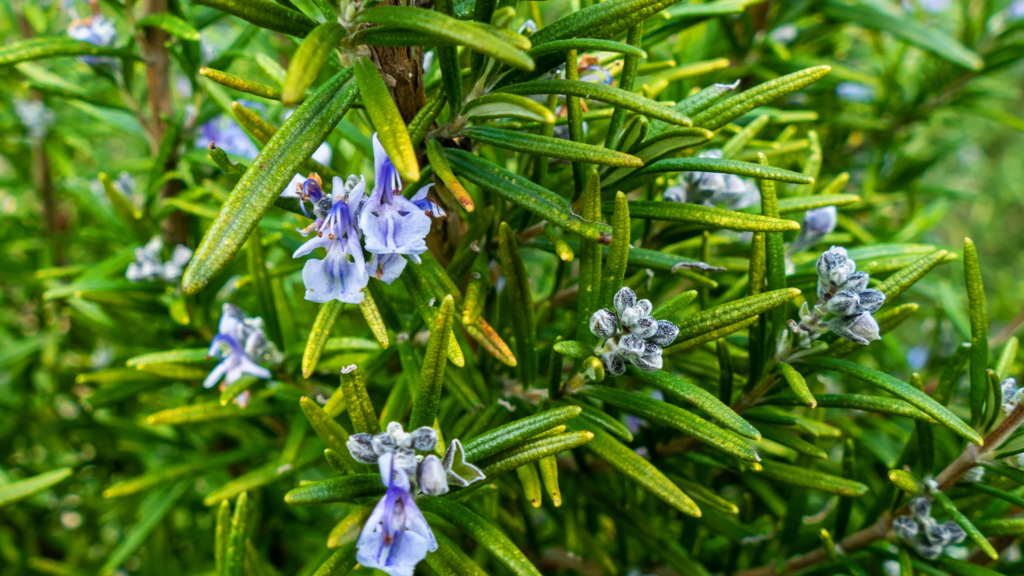
For cleansing, protection, and clarity
Physically, rosemary is a potent circulatory stimulant, nootropic, and antimicrobial. It improves blood flow to the brain, supports memory and cognitive function, and has well-documented antioxidant properties. It’s also carminative, helping move stagnant digestive energy.
Energetically, rosemary is one of the most versatile protective herbs in the Western tradition. It clears stale or heavy energy from spaces and people, sharpens mental clarity, and is traditionally used as a purifying substitute in protective and cleansing work when other herbs aren’t available (ex: sage). It strengthens the boundary between your inner world and what you absorb from your environment.
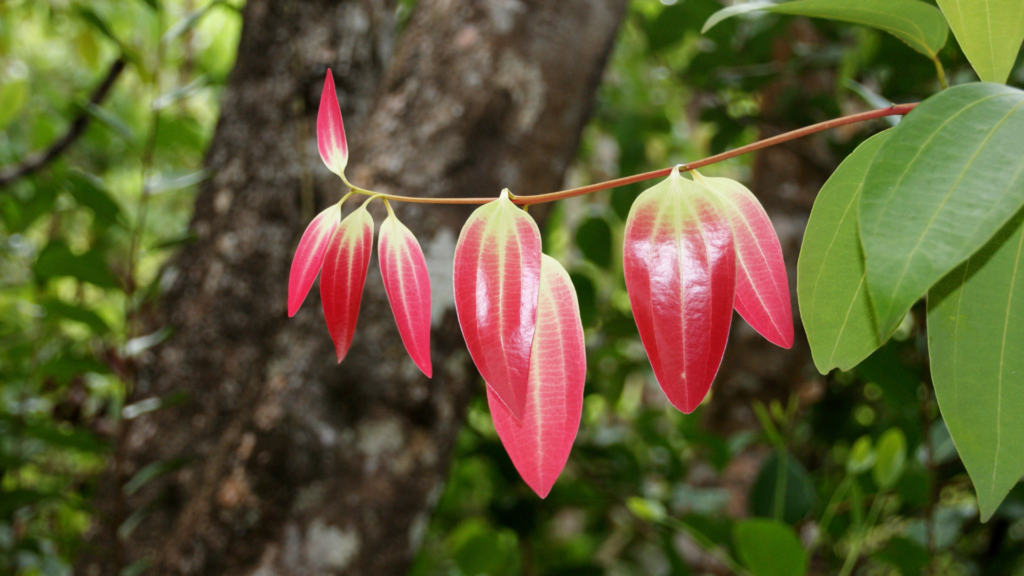
For warmth, protection, and abundance
Physically, cinnamon is one of the most well-studied spices in integrative medicine. It has demonstrated meaningful effects on blood sugar regulation, improving insulin sensitivity and moderating post-meal glucose spikes, making it a genuinely useful ally for metabolic health. It’s also antimicrobial, anti-inflammatory, and circulatory stimulating, warming the body from the inside out and moving stagnant energy in the digestive and cardiovascular systems.
Energetically, cinnamon is one of the oldest protective and prosperity herbs in recorded history, used across Egyptian, Ayurvedic, and European folk traditions. Similar to sweetgrass, it raises the vibrational frequency of a space, draws abundance, and creates a warm, boundaried container that says: what belongs here is welcome, what doesn’t is not. It’s a plant that knows its own worth, and working with it is an invitation to remember yours.
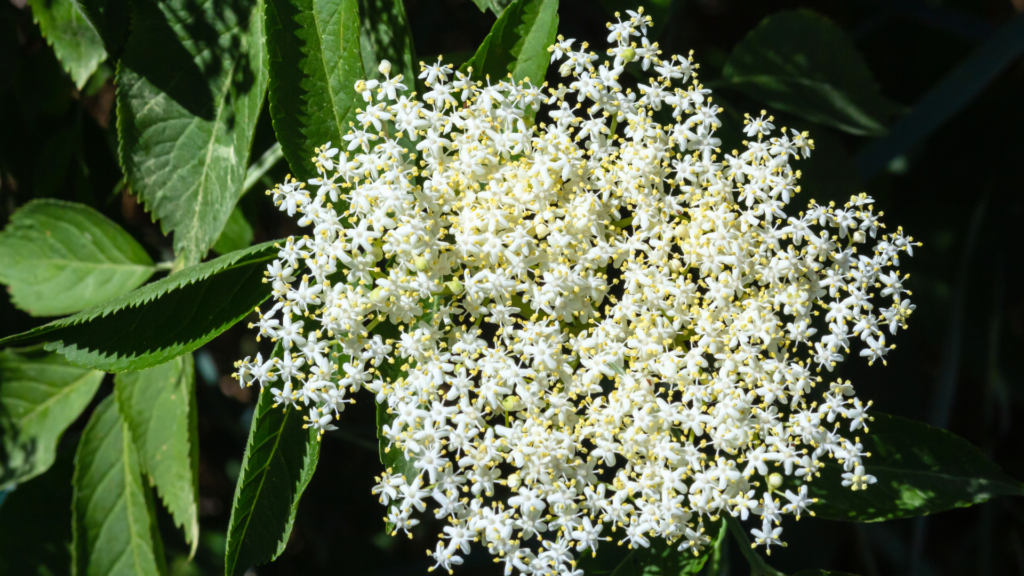
For protection and spirit communication
Physically, elderberry and elderflower are among the most well-researched immune-supportive botanicals available. Elderberry’s flavonoids have demonstrated antiviral activity, particularly against influenza strains, and elderflower is diaphoretic and anti-inflammatory, traditionally used at the onset of colds and fevers to support the body’s natural response.
Energetically, elder is a complex and sovereign plant. In European folklore she is the Elder Mother, and you do not harvest from her without asking first. She is associated with the threshold between life and death, with ancestral communication, and with protection of the home and sacred spaces. She is not a plant to work with casually. She rewards respect and reciprocity.
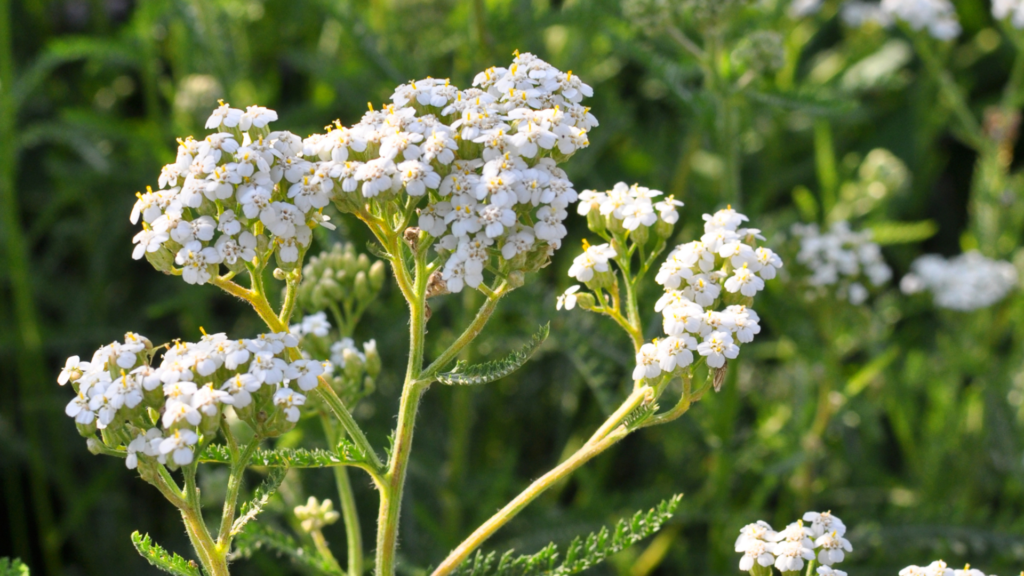
Connected to Chiron, the wounded healer
Physically, yarrow is a powerful styptic and hemostatic herb: it stops bleeding. It’s also diaphoretic, anti-inflammatory, antimicrobial, and a bitter tonic for the digestive system. It has a long history of use in wound care across cultures, and its name Achillea references the myth that Achilles used it to stanch the wounds of his soldiers on the battlefield.
Energetically, yarrow is deeply connected to the archetype of the wounded healer. It carries the teaching that our personal edges, the places where we’ve been hurt, where we’ve learned where we end and others begin, are exactly what allow us to hold space for others with genuine compassion. Boundaries don’t make you less available as a healer. They make your healing more precise, more grounded, and more sustainable.
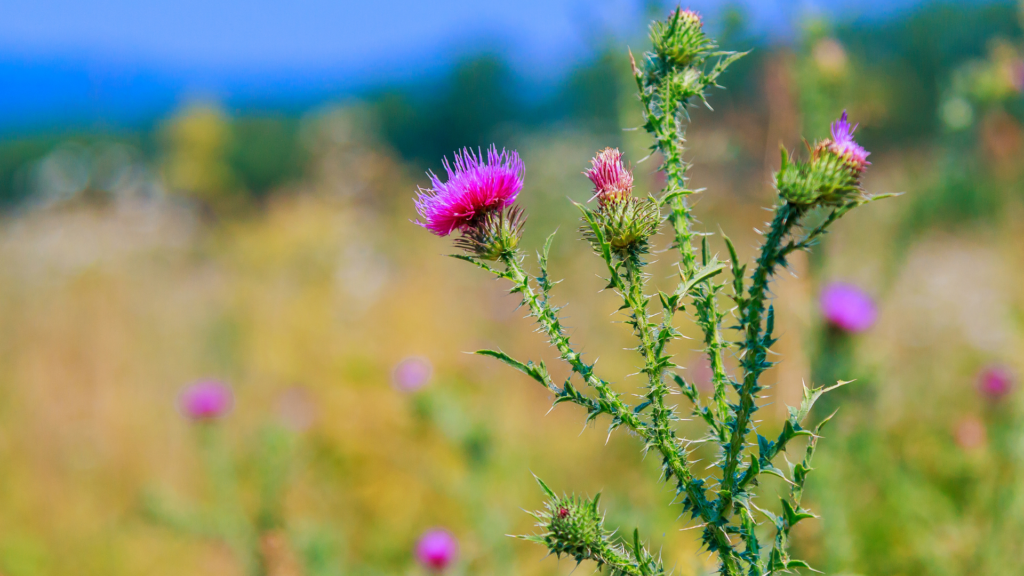
Ruled by Mars and the Moon
Physically, milk thistle is one of the most well-researched hepatoprotective herbs in Western medicine. Its active compound, silymarin, has demonstrated significant antioxidant and anti-inflammatory effects on liver tissue, and is used clinically to support liver regeneration, protect against toxin exposure, and support gallbladder function. It is also a galactogogue, supporting milk production in nursing mothers.
Energetically, milk thistle carries Badger medicine in some Native American traditions: fierce, grounded, unapologetic protection. Badger does not move for anyone. It protects its home, its young, and its territory without hesitation. Milk thistle holds this same quality, traditionally used for protection against parasitic energy and self-sabotaging thought patterns. It asks you to stand up for what is right, starting with yourself, fiercely and without apology.
For protection and energetic clearing
Physically, pennyroyal is a member of the mint family with strong aromatic and carminative properties. It has traditionally been used to support digestion, relieve gas and bloating, and as an emmenagogue to stimulate menstrual flow. Note: pennyroyal should not be used in pregnancy or in therapeutic doses without guidance from a knowledgeable practitioner.
Energetically, pennyroyal is a strong protective herb used in folk traditions to ward off negative energy and what is sometimes called the “evil eye,” the draining or ill-intentioned attention of others. It creates a clear energetic perimeter, making it a useful ally for empaths, healers, and anyone who regularly works in high-energy environments and needs support maintaining their own field.
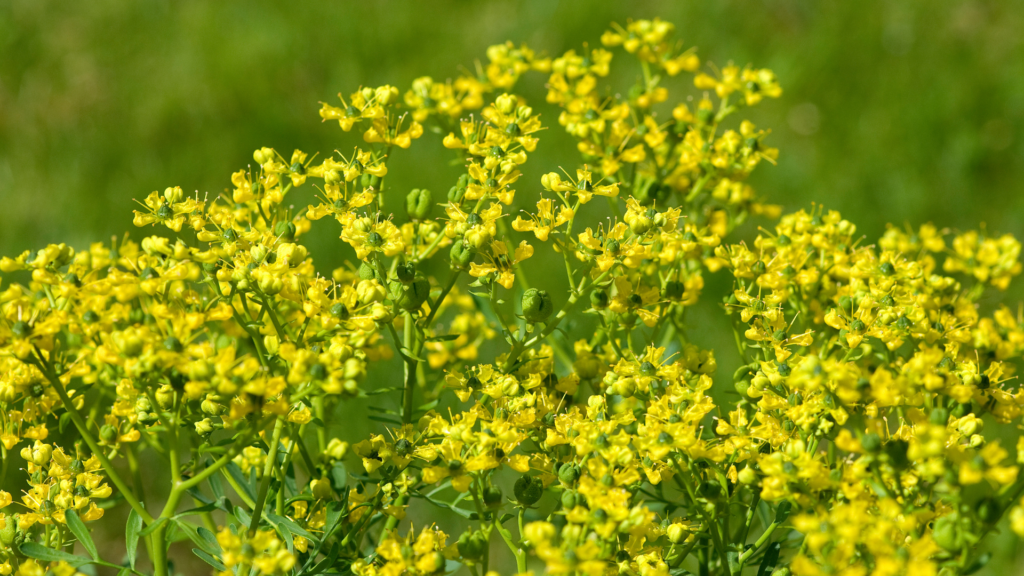
For energetic clearing, protection, and sovereign boundaries
Physically, rue is a potent herb that warrants real respect: it’s a strong emmenagogue and can be irritating (even from topical/low dose application), so it’s used medicinally in small amounts and always with guidance from a knowledgeable practitioner. Historically it was used as an antispasmodic, to support digestion, and to address nervous system complaints. In Renaissance Europe it was known as the “herb of grace,” and was used by physicians and judges alike to ward off disease and corruption.
Energetically, rue is one of the most powerful protective and cleansing herbs in the Western and Latin American traditions. In many cultures it’s the first line of defense against the evil eye, envidia, and psychic interference. It cuts through what doesn’t belong, clears inherited patterns, and reinforces the boundary between your sovereign self and the energy of others. Rue does not negotiate. It simply makes clear what is yours and what is not, and removes the rest.
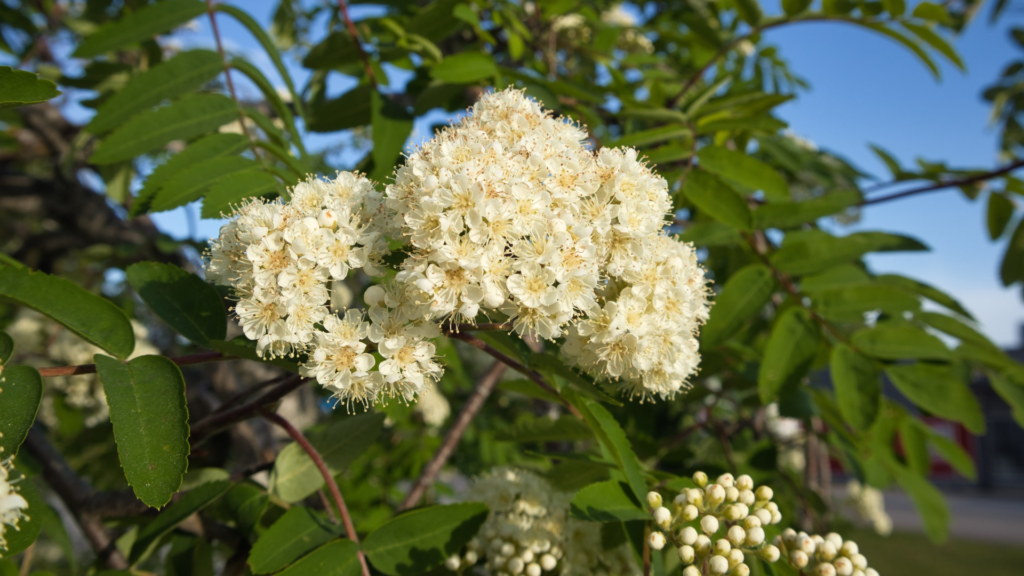
For protection against enchantment and ill will
Physically, rowan berries are high in vitamin C, antioxidants, and parasorbic acid (which converts to sorbic acid upon cooking, making cooked or dried berries safe and medicinal). They support immune health and have been used in traditional preparations for colds, digestive complaints, and urinary tract support.
Energetically, rowan is one of the most beloved protective trees in Celtic and Norse traditions, similar to Hawthorn (they often planted together). Planted near homes and carried as talismans, it was believed to guard against enchantment, manipulation, and psychic interference. It strengthens discernment: the ability to see clearly, to sense when something is off, and to hold your own knowing even when others are trying to convince you otherwise.
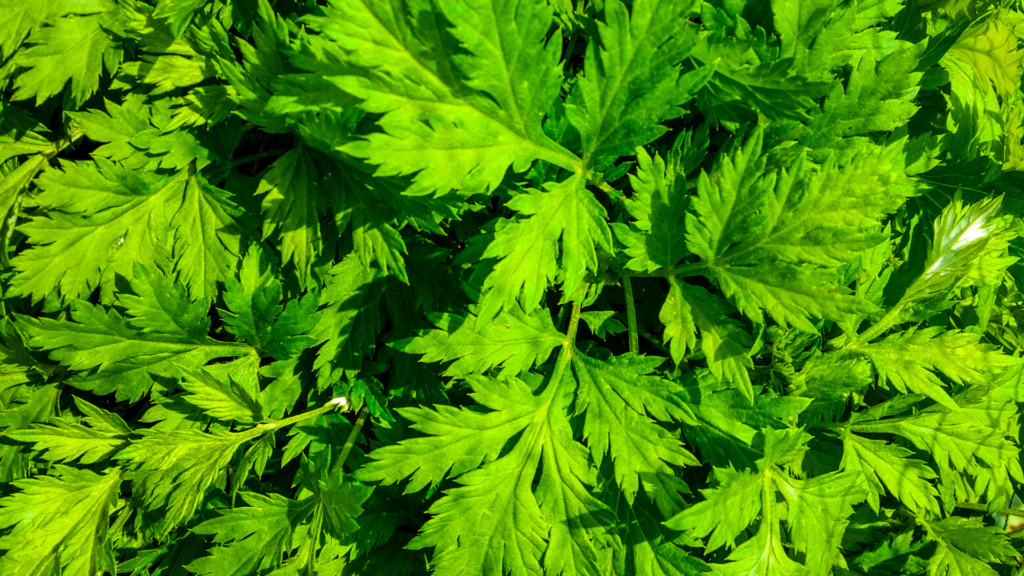
For dreaming, ancestral connection, and the liminal
Physically, mugwort is a bitter digestive tonic, emmenagogue, and nervine. It stimulates digestive secretions, supports sluggish digestion, and has traditionally been used to regulate menstrual cycles and ease cramping. In moxibustion (Traditional Chinese Medicine), it’s burned near acupuncture points to warm and move stagnant energy.
Energetically, mugwort is the dreaming herb. Sacred to Artemis, goddess of the moon and the wild, it opens the door between waking and sleeping consciousness, making it a powerful ally for dream work, ancestral communication, and developing intuition. It lives in the liminal: not fully here, not fully there. In my own dieta with mugwort, she taught me to trust what I know beyond what I can prove, and to recognize my intuition as a legitimate source of wisdom, not just a feeling to be talked out of.
What strikes me most about these plants is that none of them are passive. They all have a way of marking their territory, whether through thorns, stings, bitterness, or simply an energetic presence that says: I know where I end and you begin.
And in that, they’re some of the most important teachers we have right now.
We live in a time of radical permeability: information overload, blurred relational lines, collective trauma bleeding into our individual fields. The hedge herbs are not just historical curiosities. They’re exactly the medicine this moment calls for.
Learning to work with them, in tea, in tincture, in ritual, in relationship, is one of the ways we remember how to stand at our own edges with clarity, protection, and grace.
If this sparked something and you want to start working more intentionally with herbs, I have two resources that can help:
Grab my free Natural Medicine Cabinet Remake Guide — a practical starting point for replacing conventional products with plant-based allies you can trust. Get it here.
New to herbalism? My guide, How to Start Learning Herbs: A Practical Guide for Aspiring Herbalists, walks you through where to begin without the overwhelm. Read it here.
And if you’re ready to go deeper, I’d love to explore that with you one-on-one.
Related Posts:
Make Saying “No” Cool Again: Why Boundaries Are Your Superpower
Make Female Empowerment Cool Again: Reclaiming Your Power by Saying No
→ Want more herbal wisdom like this? Start here.
If you’re feeling stuck, overwhelmed, or unsure where to start on your herbal journey, I’m here to help.
Let’s talk it through together.
I offer a free discovery call where we’ll explore your health or holistic professional career goals and map out supportive first steps tailored just for you.
Book a Complimentary Health Consultation
Book a Holistic Professional Tea Chat
 Ready to transform your medicine cabinet? The Natural Medicine Makeover Guide helps you swap synthetic fixes for safe, effective natural remedies. Packed with expert tips from a pharmacist + herbalist, it’s your go-to resource for a healthier, holistic lifestyle. Plus, see my favorite products in my herbal dispensary.
