


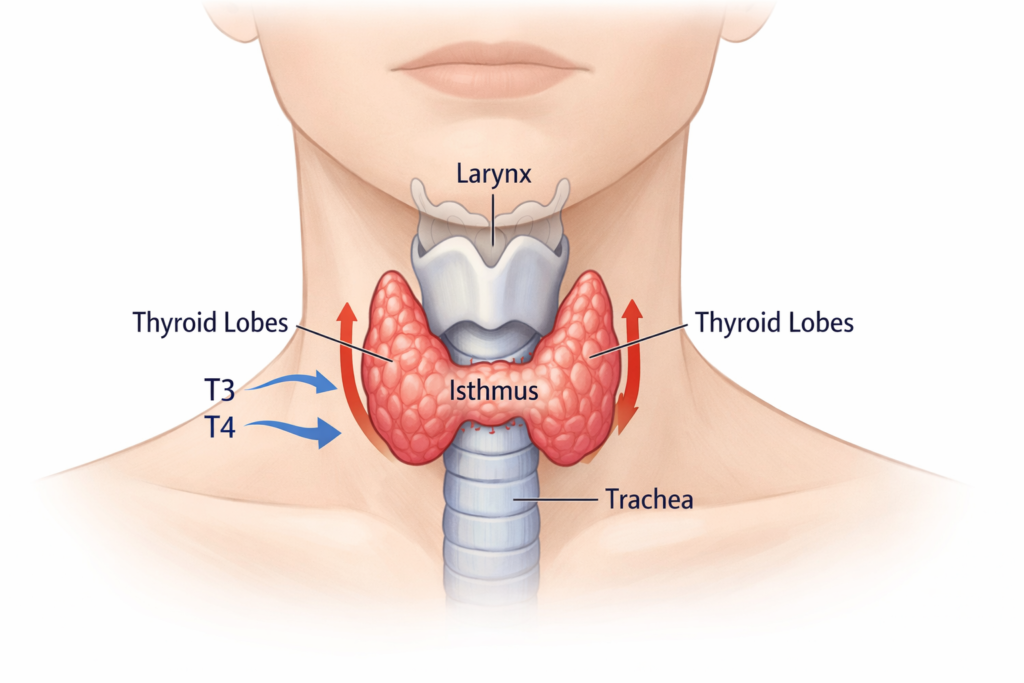
Your thyroid is a small, butterfly-shaped gland sitting at the base of your throat, and it governs an enormous amount of your daily experience. It regulates metabolism, body temperature, heart rate, digestion, mood, cognitive function, fertility, and energy. It does this by producing two primary hormones, T4 (thyroxine) and T3 (triiodothyronine), with T3 being the active form that your cells actually use.
To produce these hormones, your thyroid needs two things above everything else: iodine and the enzyme thyroid peroxidase (TPO). When either of these is disrupted, hormone production slows. The pituitary gland responds by releasing more thyroid-stimulating hormone (TSH), essentially shouting at the thyroid to work harder. Over time, this chronic strain can contribute to thyroid enlargement (goiter), hypothyroidism, and in genetically susceptible people, autoimmune thyroid conditions like Hashimoto’s thyroiditis.
Thyroid dysfunction is far more prevalent than most people realize. It disproportionately affects women, is frequently underdiagnosed, and its early symptoms, fatigue, brain fog, weight changes, mood shifts, hair thinning, cold intolerance, are so common and nonspecific that they often get attributed to stress, aging, or anxiety before anyone checks the thyroid carefully.
If any of that sounds familiar, this blog is worth reading in full.
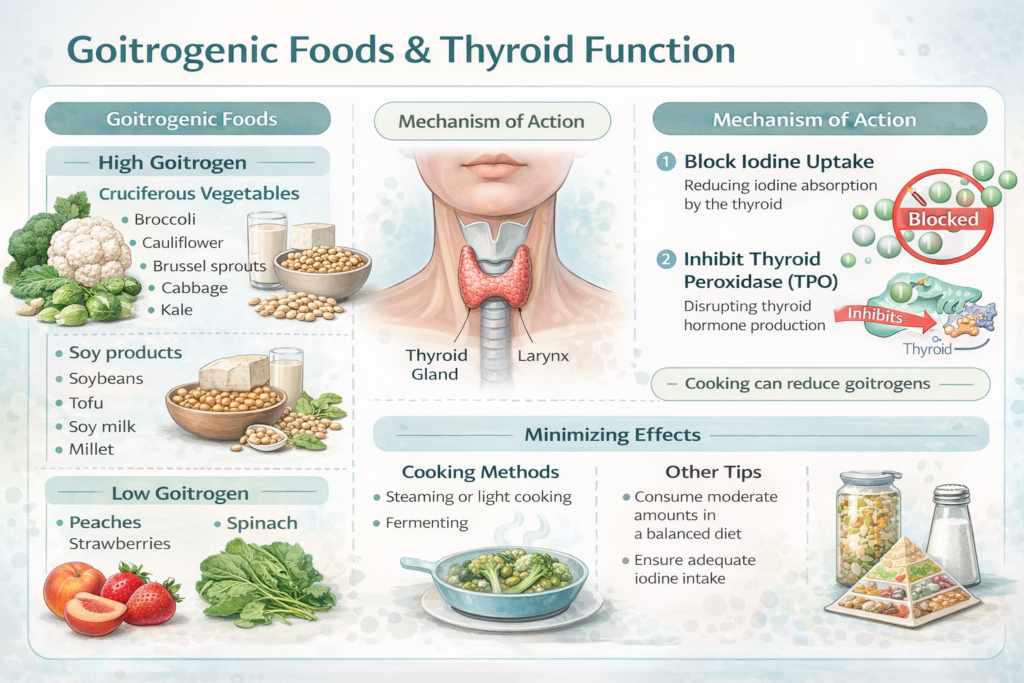
Goitrogens are compounds found in certain foods and environmental substances that interfere with normal thyroid function. They can inhibit the uptake of iodine, which is essential for thyroid hormone production. As a result, consuming large amounts of goitrogenic foods can potentially disrupt thyroid function, which may lead to enlargement of the thyroid gland.
Goitrogens can affect the thyroid gland in several ways: by blocking iodine uptake, by interfering with thyroid peroxidase, the enzyme essential for thyroid hormone production, and by disrupting the release of hormones from the thyroid gland itself.
The word goitrogen comes from “goiter,” the term for thyroid enlargement. Historically, goiters were common in iodine-deficient regions, and the connection between certain plant foods and thyroid dysfunction has been observed in livestock and in human populations for well over a century. What’s newer is our understanding of the specific compounds responsible, and where the real risk does and doesn’t lie.
The primary dietary goitrogens most relevant to a modern, health-conscious diet come from the Brassica family of vegetables. This includes broccoli, cauliflower, cabbage, kale, Brussels sprouts, arugula, bok choy, collard greens, mustard greens, kohlrabi, radishes, rutabaga, and turnips.
These vegetables are a rich source of sulfur compounds, such as glucosinolates and isothiocyanates, which provide health benefits but are also suspected of having a goitrogenic effect.
Here’s how it works. Glucosinolates are stable compounds while the vegetable is intact. When you chop, chew, or digest a Brassica vegetable, an enzyme called myrosinase is activated and breaks glucosinolates down into several different compounds. Some of those compounds, particularly sulforaphane and indole-3-carbinol, are genuinely protective and have well-documented anti-cancer properties. Others, specifically goitrin and thiocyanate, are the problematic ones.
Progoitrin and indolylic glucosinolates degrade to goitrin and thiocyanate respectively, and may decrease thyroid hormone production. The thiocyanate ion is a competitive inhibitor of the sodium/iodide symporter on the thyroid follicular cell, meaning exposure to thiocyanate can reduce iodide uptake by the thyroid gland and has the potential to result in decreased synthesis of thyroid hormone.
In plain terms: certain breakdown products of glucosinolates compete with iodine for entry into the thyroid, and if they win that competition consistently, the thyroid can’t make adequate amounts of T4 and T3.
The goitrogen content of foods varies widely. Crucifers are the biggest goitrogenic offenders, with certain varieties of kale, collard greens, and Brussels sprouts at the top of the list. The progoitrin content per dry weight of Russian kale is approximately 150 times higher than that of Chinese cabbage. Not all cruciferous vegetables carry the same goitrogenic load, which matters when you’re thinking about practical food choices.
Cruciferous vegetables are the most discussed, but they’re not the only dietary sources of goitrogens worth knowing about.
Soy products contain isoflavones, which can interfere with thyroid function in those with iodine deficiency or hypothyroidism. Millet contains goitrogenic compounds shown to inhibit TPO activity. Other goitrogenic foods include bamboo shoots, spinach, sweet potatoes, cassava, and some fruits in the Rosaceae family including peaches, pears, strawberries, and almonds.
Resveratrol, isoflavones, and certain flavonoids may also have goitrogenic effects, potentially impacting thyroid health by inhibiting thyroperoxidase activity, decreasing iodine uptake, and impacting the ability of thyroid hormones to target tissues.
This doesn’t mean avoiding these foods. It means understanding the full picture, especially if you’re already navigating thyroid challenges.
This is where nuance matters enormously, and where a lot of thyroid content online swings between dismissive and alarmist without landing on something genuinely useful.
The vast majority of research results cast doubt on previous assumptions claiming that Brassica plants have antithyroid effects in humans. Instead, they indicate that including Brassica vegetables in the daily diet, particularly when accompanied by adequate iodine intake, poses no adverse effects on thyroid function.
For someone with healthy thyroid function, adequate iodine levels, and a varied diet, a daily serving of cooked broccoli is not a problem. The concern is more specific than that.
Individuals with Hashimoto’s thyroiditis, hypothyroidism, or iodine deficiency may need to moderate their intake of goitrogenic foods or ensure they are cooked before consumption.
The iodine piece is particularly critical. If someone is already iodine-deficient, goitrogens are much more likely to cause issues. Despite iodized salt supplementation programs, iodine deficiency is on the rise. In Europe, it’s estimated that up to 44 percent of the population may be iodine-deficient. In the US, iodine intake has declined significantly over recent decades as people have moved away from iodized salt and dairy, two of the most common dietary iodine sources.
There’s also the accumulation question. Eating one serving of kale a week is meaningfully different from eating a large raw kale smoothie every single morning, especially on an already stressed thyroid. Context, quantity, and preparation method all matter.
This is the most actionable piece of information in this entire blog.
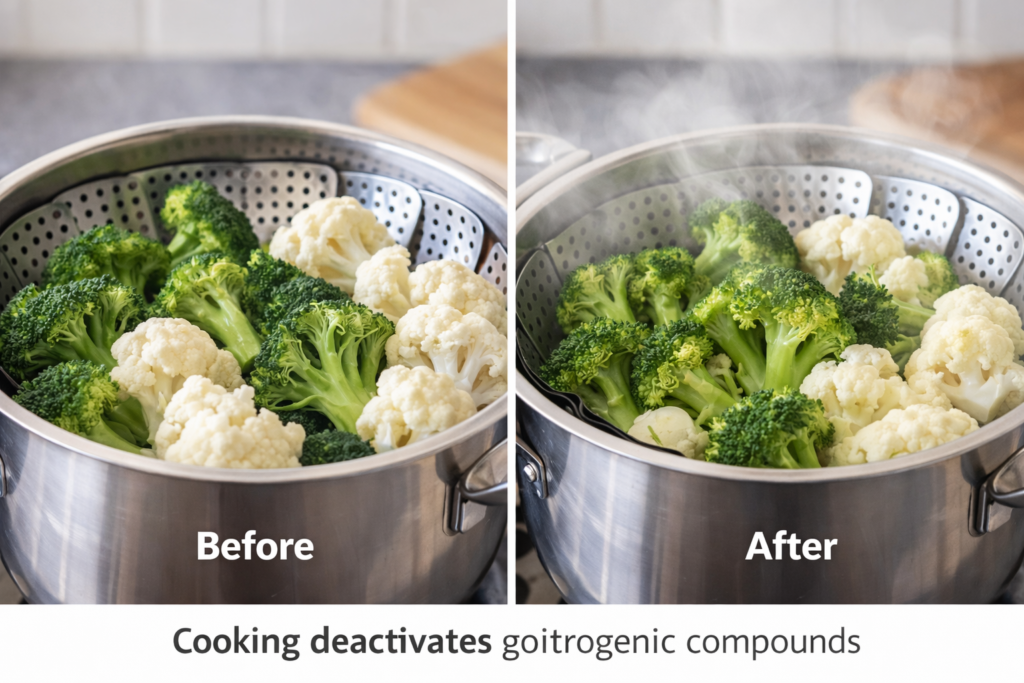
The enzyme that creates the iodine-blocking compounds when we bite into or chop cruciferous vegetables is rapidly deactivated by cooking, so we don’t have to worry as much about eating too many cooked cruciferous vegetables.
High-temperature application damages myrosinase, the enzyme responsible for converting glucosinolates into goitrin. Without active myrosinase, goitrin cannot be produced.
Steaming, sautéing, roasting, and boiling all significantly reduce goitrogenic activity. Fermentation also modifies glucosinolate content and can enhance digestibility, which is part of why fermented cabbage (sauerkraut, kimchi) tends to be well-tolerated even by people with thyroid sensitivities.
The raw smoothie loaded with kale, arugula, and bok choy consumed daily is the scenario most worth reconsidering if thyroid function is a concern, not the roasted cauliflower on your dinner plate.
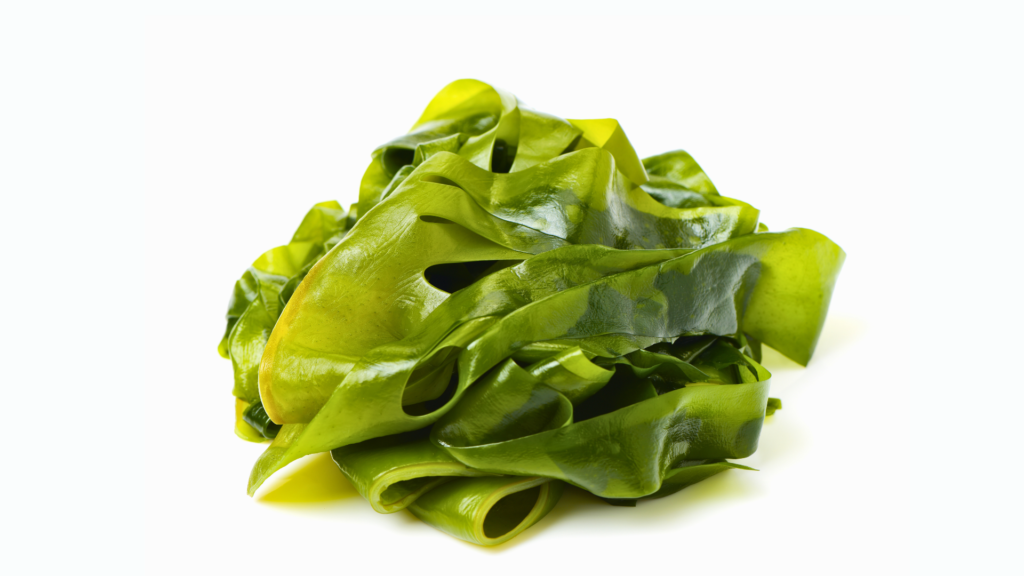
The foundational nutrient for thyroid hormone production. The best food sources of iodine come from the sea: seaweeds, cod, shrimp, and tuna. Eggs and iodized salt are also options. Sea vegetables like kelp, nori, and wakame are among the richest sources available, though iodine content in seaweed varies widely and supplementation should be approached thoughtfully, ideally with testing first.
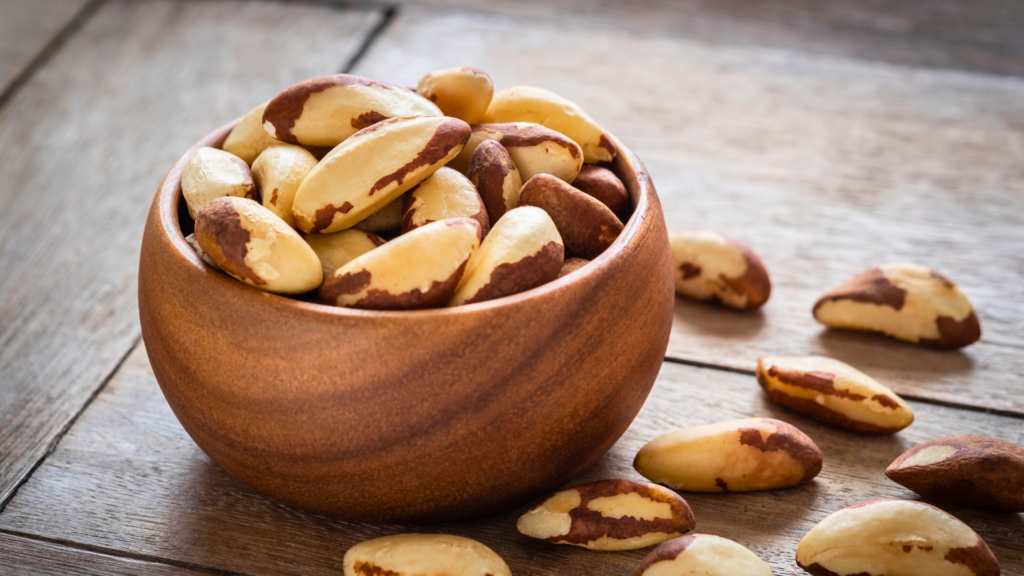
Selenium is required for the conversion of inactive T4 into active T3, and for protecting the thyroid gland from oxidative damage. It’s also particularly relevant for Hashimoto’s, as selenium has demonstrated anti-inflammatory effects on thyroid tissue in clinical research. Selenium is best obtained from foods such as Brazil nuts, cremini mushrooms, cod, shrimp, tuna, halibut, salmon, scallops, chicken, eggs, shiitake mushrooms, lamb, and turkey. One to two Brazil nuts daily provides a therapeutic dose for most people.
Required for thyroid hormone synthesis and the conversion of T4 to T3. Found in oysters, red meat, pumpkin seeds, and legumes (prepared well to minimize phytic acid, as discussed in the companion blog).
Low vitamin D is strongly associated with autoimmune thyroid conditions. Most people in northern climates are deficient, and testing your levels is one of the most useful things you can do if you’re managing any autoimmune condition including Hashimoto’s.
A note before diving in: the herbs below work differently depending on whether your thyroid is underactive or overactive. Direction matters enormously here. Please work with a knowledgeable practitioner before using these therapeutically, especially if you’re on thyroid medication, as interactions are real and meaningful.
Ashwagandha (Withania somnifera) For hypothyroidism and HPA axis support
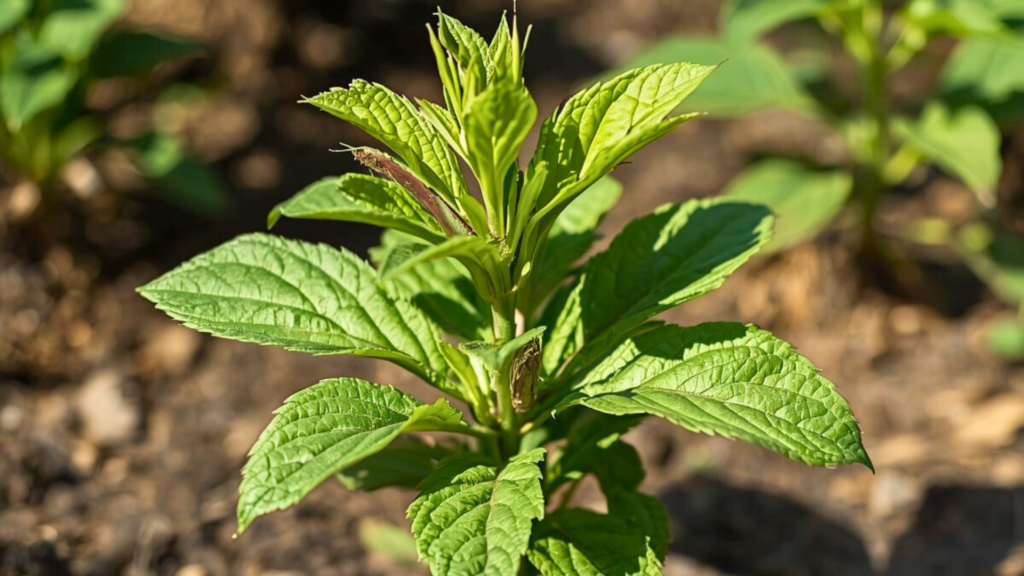
Ashwagandha is an Ayurvedic adaptogen with well-documented effects on the stress response, which matters deeply for thyroid health because chronic elevated cortisol suppresses thyroid function directly. A study showed that daily intake of ashwagandha can significantly improve thyroid hormone in women with hypothyroidism. Ashwagandha can help stimulate thyroid hormone production, reduce damage from oxidative stress, and improve energy, making it a suitable herb for hypothyroidism. It also supports the conversion of T4 to T3, the critical activation step that many people struggle with. Use as a daily adaptogen in powder form (in warm milk or a smoothie), tincture, or capsule. Avoid or use with caution in hyperthyroidism.
Bladderwrack (Fucus vesiculosus) For iodine-deficient hypothyroidism
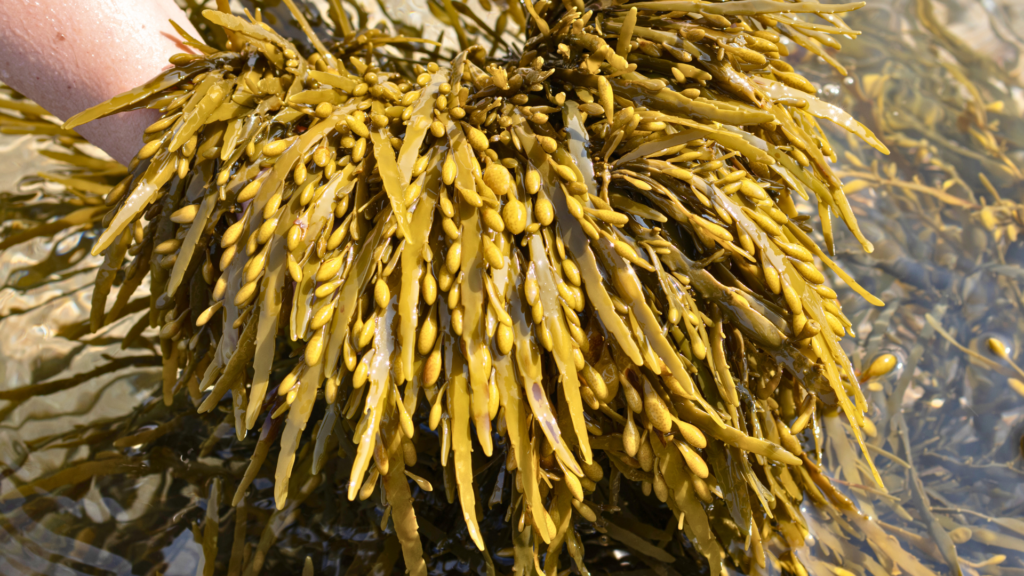
Bladderwrack is a seaweed rich in organically bound iodine, which is considerably more potent at stimulating the thyroid gland than mineral iodine. It has been traditionally used for the treatment of low thyroid function. It provides direct iodine precursors for T4 and T3 synthesis. This makes it genuinely useful for hypothyroidism rooted in iodine deficiency, but it requires caution: excessive iodine intake can paradoxically suppress thyroid function through the Wolff-Chaikoff effect, and iodine-rich supplements can exacerbate autoimmune conditions in some individuals. Not appropriate for Hashimoto’s without practitioner guidance. Use as tincture or dried powder in small therapeutic doses.
Bugleweed (Lycopus spp.) For hyperthyroidism and Graves’ disease
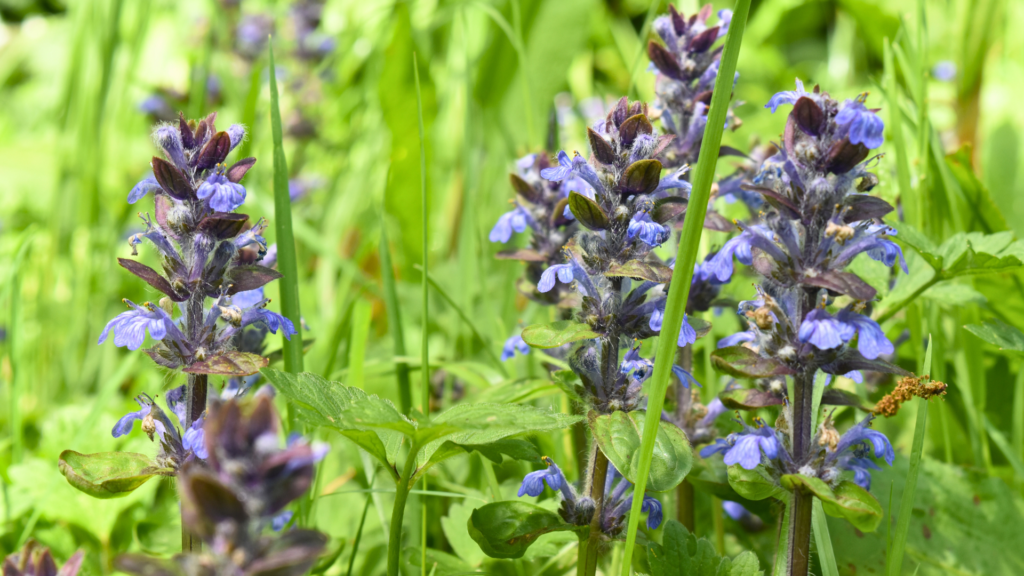
Bugleweed is commonly used to help support hyperthyroidism and cardiovascular health. Research shows that bugleweed may be beneficial for those with an overactive thyroid such as hyperthyroidism or Graves’ disease, as this plant has anti-thyroid effects, slowing down thyroid-stimulating hormone activity. The German Commission E approves the use of bugleweed for mild hyperthyroidism with nervous system dysfunction. It is also specific for the anxiety, palpitations, and tremor that often accompany hyperthyroidism. Use as tincture. Important caveat: bugleweed should be avoided in hypothyroidism and Hashimoto’s, as it can further suppress thyroid function.
Lemon Balm (Melissa officinalis) For hyperthyroidism, anxiety, and viral load
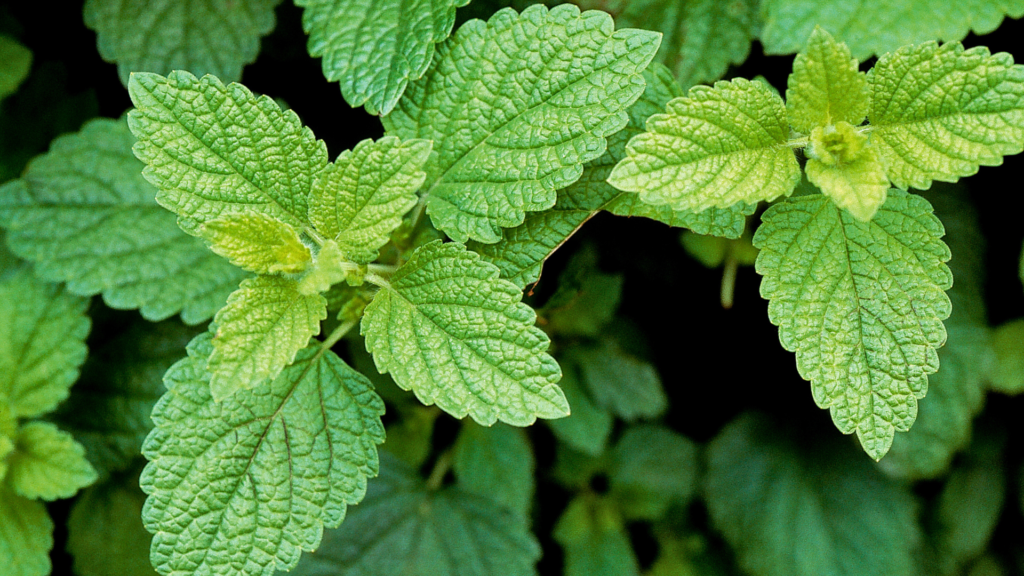
Lemon balm is appropriate for the treatment of mild hyperthyroidism, specifically with symptoms of anxiety. It has shown effectiveness in inhibiting thyroid hormone in those with Graves’ disease, and research has shown it is helpful for those experiencing sleep issues, high stress, and anxiety. It also carries antiviral activity, which is relevant given the emerging research connecting certain viral triggers (including Epstein-Barr) with autoimmune thyroid conditions. In one documented case, a 64-year-old woman with Graves’ disease took a herbal combination of lemon balm and bugleweed for nine months. Her thyroid tests both improved and then remained normal, without the need for any other thyroid medication. Like bugleweed, lemon balm is contraindicated in hypothyroidism as it can further slow thyroid activity. Use as tea, tincture, or glycerite.
Guggul (Commiphora mukul) For hypothyroidism and T4-to-T3 conversion
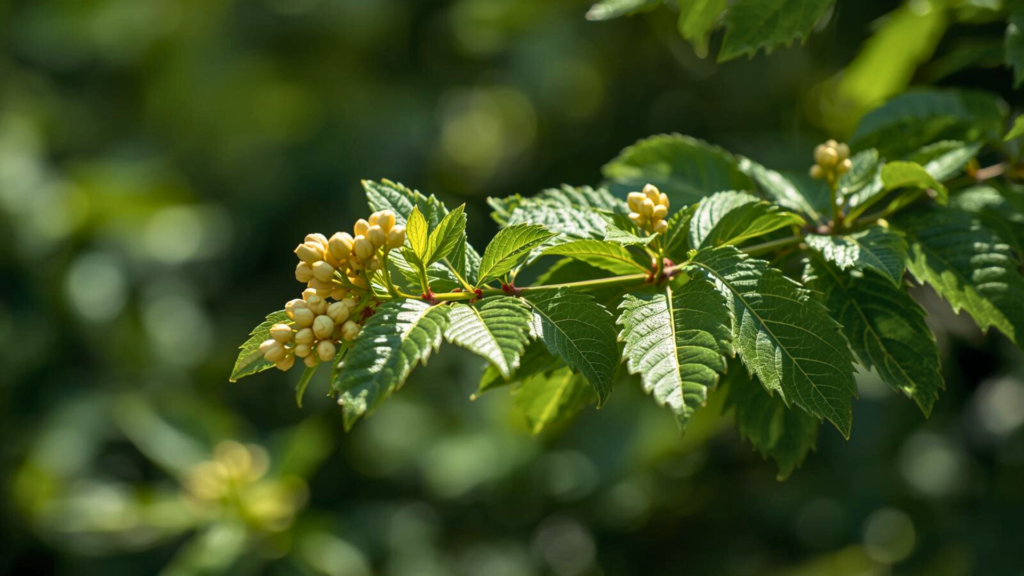
Guggul works by enhancing the conversion of T4 into T3. Since T4 is inactive and T3 is active, this conversion is critical, and guggul is particularly useful for general hypothyroidism that is non-autoimmune in nature. This is one of the more underutilized thyroid herbs in Western herbalism, with roots in Ayurvedic tradition and growing clinical interest. Use as capsule or standardized extract under practitioner guidance.
Thyroid health is nuanced, and it sits at the intersection of nutrition, stress, immune function, gut health, environmental exposures, and genetics. No single food is going to cause or cure a thyroid condition. But these are the practical adjustments worth making if thyroid support is a priority for you:
Cook your cruciferous vegetables most of the time, especially if you have hypothyroidism, Hashimoto’s, or known iodine insufficiency. Rotate raw Brassica vegetables rather than consuming the same ones daily in large amounts.
Prioritize iodine and selenium from whole food sources before reaching for supplements. Test your levels if you can, so you know what you’re actually working with.
If you’re on levothyroxine or any thyroid medication, be aware that certain foods, supplements, and herbs can affect absorption and hormone levels. Take your medication consistently and discuss any herbal additions with your prescriber.
Consider getting a comprehensive thyroid panel rather than just TSH. A full picture includes TSH, free T3, free T4, reverse T3, and thyroid antibodies (TPO and TgAb). Many people with early Hashimoto’s or suboptimal conversion have a “normal” TSH while feeling anything but.
And if you want to work with herbal allies for thyroid support, please do so with a knowledgeable practitioner. The herbs above are genuinely powerful, and the direction of action (stimulating vs. suppressing) matters completely depending on your specific situation.
If this opened up questions about your own health and you want practical tools for getting started, I have two resources for you:
Grab my free Natural Medicine Cabinet Remake Guide for a practical starting point in building a plant-based, evidence-informed home apothecary: pages.marinabuksov.com/medicinecabinet
New to herbalism and want to understand how to start working with plants safely and effectively? My guide How to Start Learning Herbs: A Practical Guide for Aspiring Herbalists walks you through exactly that: marinabuksov.com/how-to-start-learning-herbs-a-practical-guide-for-aspiring-herbalists
And for those ready to explore their thyroid health more personally, I’d love to connect.
With roots and reverence, Marina
Disclaimer: This blog is for educational purposes only and does not constitute medical advice. If you are managing a thyroid condition or taking thyroid medication, please work with a qualified healthcare provider before making significant dietary changes or adding herbal supplements.
→ Want more herbal wisdom like this? Start here.
If you’re feeling stuck, overwhelmed, or unsure where to start on your herbal journey, I’m here to help.
Let’s talk it through together.
I offer a free discovery call where we’ll explore your health or holistic professional career goals and map out supportive first steps tailored just for you.
Book a Complimentary Health Consultation
Book a Holistic Professional Tea Chat
 Ready to transform your medicine cabinet? The Natural Medicine Makeover Guide helps you swap synthetic fixes for safe, effective natural remedies. Packed with expert tips from a pharmacist + herbalist, it’s your go-to resource for a healthier, holistic lifestyle. Plus, see my favorite products in my herbal dispensary.
