

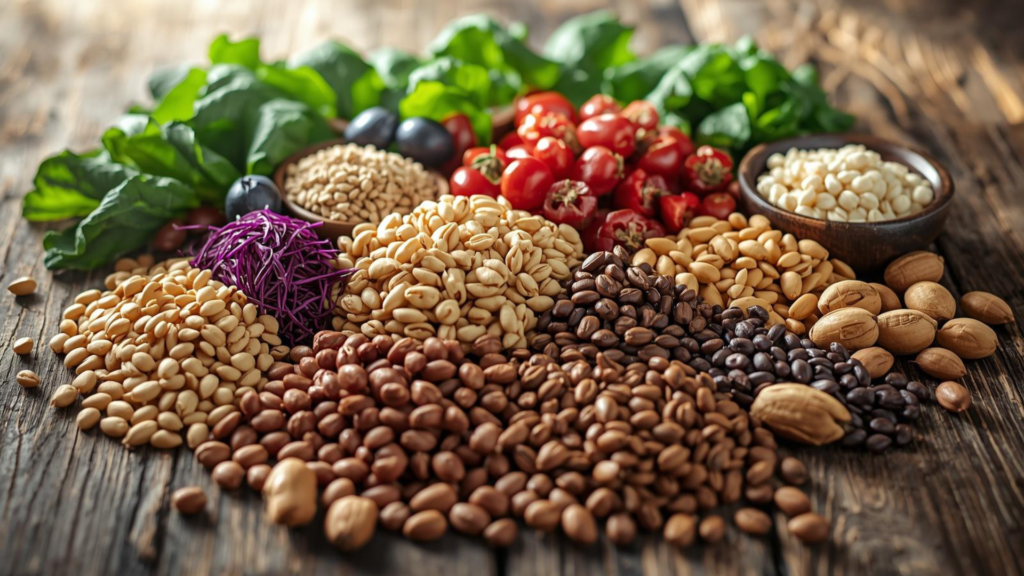

Bloating is your body’s way of telling you something in the digestive process isn’t working optimally. It can show up as visible distension, a feeling of pressure or fullness, gas, cramping, or just that general sense that your abdomen has taken on a life of its own after meals.
The causes are genuinely diverse. Food intolerances, dysbiosis (imbalance of gut bacteria), poor stomach acid, sluggish motility, stress, hormonal shifts, and yes, the specific compounds in certain plant foods [1]. When we don’t address the root cause, we just keep managing symptoms. And our guts keep trying to get our attention.
Your digestive tract is home to trillions of bacteria, but location matters enormously. The vast majority of those bacteria belong in your large intestine (colon). Your small intestine, where the serious work of nutrient absorption happens, is meant to have relatively few bacteria.
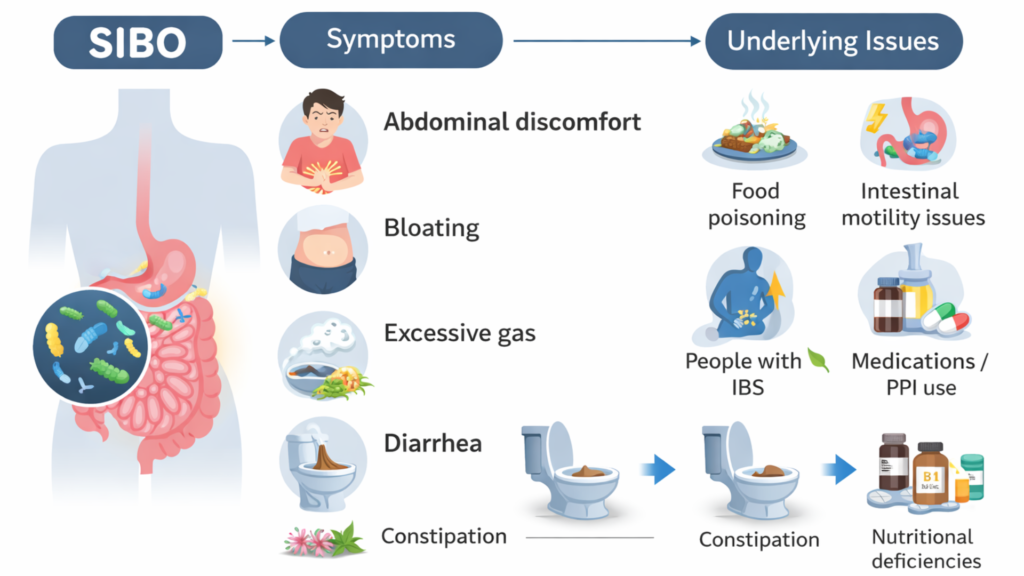
SIBO, or small intestinal bacterial overgrowth, is an imbalance in the microorganisms in your gut. When too many bacteria, or the wrong kind, populate the small intestine, it can lead to uncomfortable symptoms like gas and bloating, and inhibit your ability to digest and absorb nutrients from food.
Symptoms of SIBO typically include postprandial bloating, abdominal discomfort, nausea, and a change in bowel habits like diarrhea or constipation. Many people with SIBO are diagnosed with IBS first, or never get a diagnosis at all, because the symptoms overlap so significantly with other conditions.
The key difference is that IBS tends to be more pain-predominant, whereas a SIBO diagnosis tends to be more bloating-predominant [2].
Unlike your large intestine, your small intestine normally has relatively few bacteria due to the rapid flow of contents and the presence of bile. But in SIBO, stagnant food in the small intestine becomes an ideal breeding ground for bacteria. The bacteria may produce toxins as well as interfere with the absorption of nutrients [3].
Contributing factors include reduced stomach acid (often from long-term antacid or PPI use), slow gut motility, prior abdominal surgery, chronic stress, and underlying conditions like hypothyroidism or diabetes.
Left unaddressed, SIBO goes beyond bloating. Malabsorption of fats, proteins and carbohydrates can lead to malnutrition and vitamin deficiencies. Vitamin B12 deficiency can cause nervous system problems and anemia, and poor calcium absorption can lead to long-term osteoporosis or kidney stones.
Breath tests are used to confirm the diagnosis. During a breath test, patients ingest a form of carbohydrate that is then metabolized by gut bacteria into hydrogen gas. Patients exhale this gas into a pouch, which is evaluated for relative levels of hydrogen to diagnose SIBO [4].
It’s worth noting that breath tests have real limitations in sensitivity and specificity. Many practitioners, myself included, consider clinical symptoms alongside testing rather than relying on tests alone.
Conventional treatment typically involves antibiotics, most commonly rifaximin, sometimes combined with dietary changes. A popular dietary option is the low FODMAP diet, which limits the intake of fermentable oligosaccharides, disaccharides, monosaccharides, and polyols. These are substances that the human body doesn’t break down, which means that bacteria can feed on them [5]. Limiting high FODMAP foods may reduce gas, bloating, constipation, and diarrhea.
From a holistic standpoint, herbal antimicrobials (oregano oil, berberine, and others) have also been used with good results for some people. The recurrence rate with SIBO is high, which points to the importance of addressing the underlying cause rather than just clearing the bacteria.
Here is where things get interesting, and where a lot of well-intentioned eaters get confused.
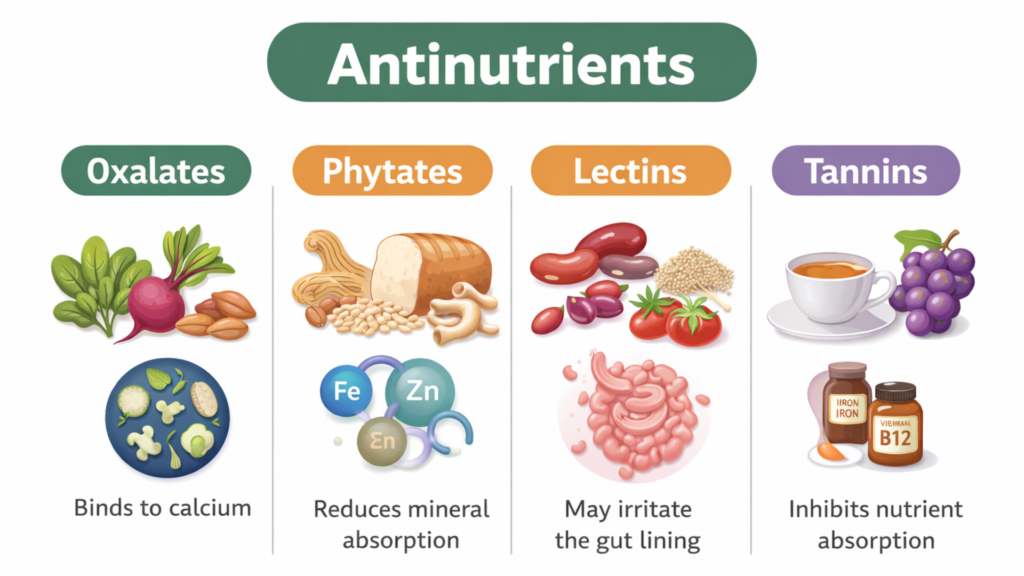
Plants are remarkable. They are also self-preserving. Unlike animals, they can’t run from predators. So over millions of years, they evolved chemical defense mechanisms that protect them from being consumed: compounds that make them less digestible, less pleasant, or outright toxic to insects and animals.
These compounds are called antinutrients. And while most of them are harmless in normal quantities for most people, in excess, or in people with already compromised gut health, they can contribute significantly to bloating, mineral deficiencies, and digestive distress.
The two I want to focus on today are phytic acid and lectins.
(Brassica vegetables also contain goitrogenic compounds that can affect thyroid function, especially when eaten raw in large amounts. This topic deserves its own deep dive, which you can read here: Is Your Kale Smoothie Quietly Affecting Your Thyroid?)
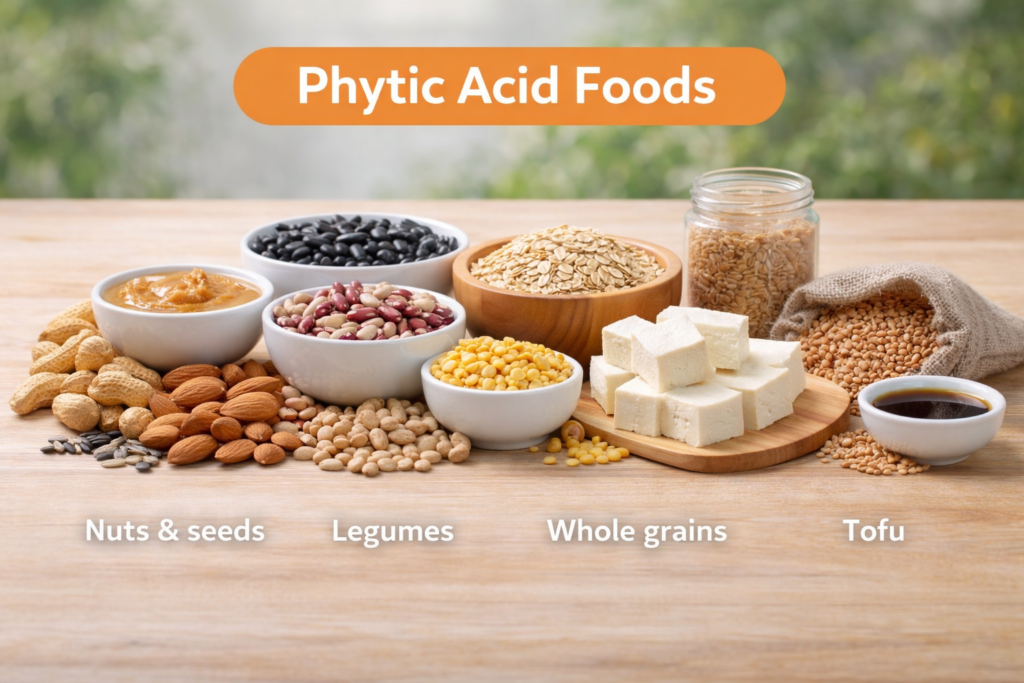
Phytic acid is a substance found in many plant-based foods. It is also called inositol hexaphosphate and IP6. This acid is the primary way phosphorus is stored in many plants, including beans, seeds, and nuts. When phytic acid is consumed, it binds to other minerals to create phytates [6]. Because you don’t have any enzymes that can break phytates down, their nutrients cannot be absorbed into your body.
In other words: you can eat a mineral-rich food and still walk away deficient, because the phytic acid has bound to those minerals before your body can access them.
Phytic acid has a very strong binding affinity to dietary minerals. It impairs the absorption of iron, zinc, and calcium and may promote mineral deficiencies, hence it is regarded as an antinutrient [7]. Magnesium is also affected.
Foods high in phytic acid include nuts like almonds, Brazil nuts, and walnuts. It can also include grains like wheat and rice bran, and seeds like sesame seeds. Cooking, sprouting, or soaking these foods can reduce their phytic acid content. Legumes and beans are also significant sources.
This is not a reason to stop eating nuts, seeds, and legumes. Context matters enormously. Phytic acid primarily reduces mineral absorption during the meal but doesn’t have major effects on subsequent meals. For most people, eating a varied diet with adequate animal proteins, this isn’t a crisis.
However, those already at risk for nutrient deficiencies, vegans, vegetarians, or those with conditions like IBD, may need to consider reducing phytic acid in the diet or paying attention to food preparation.
Phytic acid is not purely villainous. It can have health benefits due to its antioxidant properties. Laboratory and animal studies show it can protect against DNA damage and cancer cell growth. It can also prevent kidney stones from forming by inhibiting the buildup of calcium crystals [8]. The IP6 form is actively studied in cancer research.
So the goal isn’t elimination. It’s intelligent preparation.
Lectins are a diverse family of carbohydrate-binding proteins found in almost all foods, especially legumes and grains. They seem to be involved in plants’ defenses against insects and other herbivores.
Many lectins are toxic, inflammatory, or both, and resistant to cooking and digestive enzymes. Some food lectins can get past the gut wall and deposit themselves in distant organs [9].
Lectins in uncooked foods can cause leaky gut by damaging the mucosal layer lining the intestine. They also render cells of the intestinal wall unable to digest and absorb nutrients, and they activate white blood cells, promoting inflammation.
Eating high-lectin foods could worsen symptoms like bloating, gas, pain, or fatigue. For people with autoimmune diseases, foods high in lectins may cause flare-ups or increased inflammation [10].
Cooking at high temperatures effectively eliminates lectin activity from foods like legumes, making them perfectly safe to eat. The lectin-rich foods people consume, such as grains and legumes, are almost always cooked in some way beforehand, leaving only a negligible amount of lectins for consumption.
The key word there is properly cooked. Slow cookers and microwaves don’t get hot enough to fully deactivate lectins in beans. Boiling and pressure cooking do.
Sensitivity varies significantly from person to person. Those with existing gut permeability, autoimmune conditions, or inflammatory conditions tend to be most reactive. If intestinal permeability increases, lectins can slip past the gut barrier and activate the immune system, triggering mast cells and inflammation, which can worsen autoimmune diseases or other digestive disorders.
Dr. Steven Gundry, a heart surgeon who has written extensively on this topic, has argued that lectins disrupt cell communication and increase inflammation, causing poor gut health that leads to digestive problems, including bloating, gas, and diarrhea, and may contribute to conditions such as autoimmune diseases, obesity, and leaky gut syndrome. His work is worth reading alongside other perspectives, as this remains an active area of research and debate.
You can explore his full guide at drgundry.com/lectin-guide and the WebMD overview of the Plant Paradox diet.
The goal is not to fear food. It’s to prepare it wisely and listen to your own body’s signals. Here are the most evidence-supported strategies:
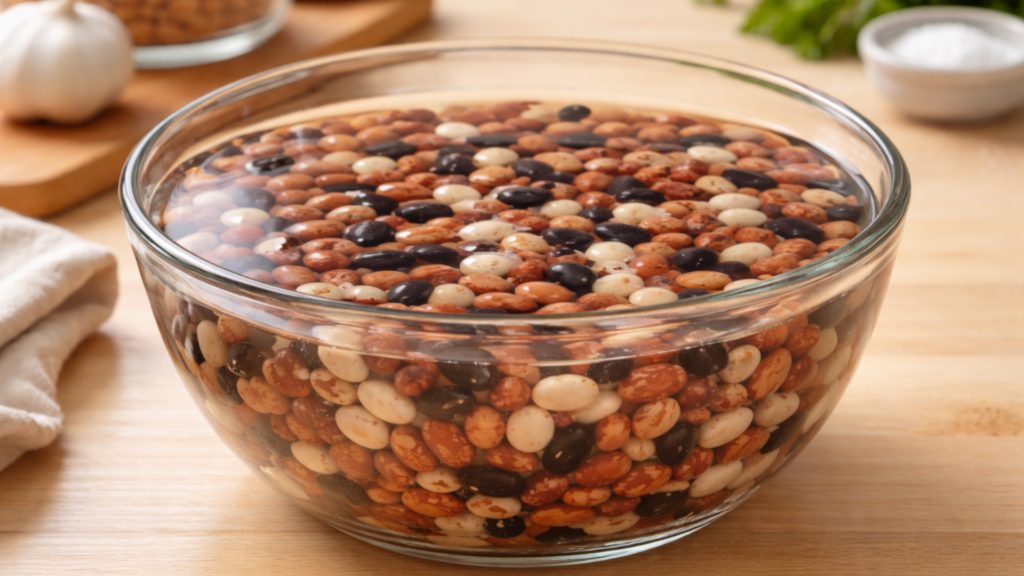
Soaking grains, legumes, nuts, and seeds overnight dramatically reduces phytic acid content. For even better results, add a splash of apple cider vinegar (ACV) to the soaking water. The mild acidity activates phytase enzymes and further breaks down phytic acid. Soak for at least 8 hours, then rinse well before cooking.
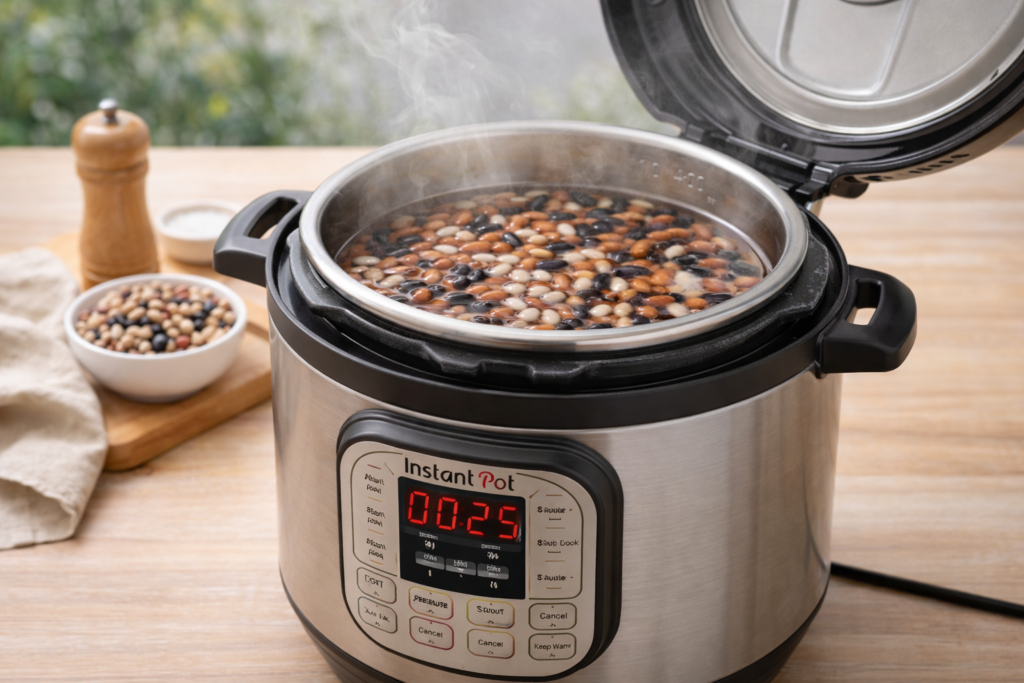
The recommendation is to soak beans, then boil or pressure-cook them until well-done. Lectins are inactivated by boiling or pressure-cooking. They aren’t destroyed by microwaving, baking, or roasting. A pressure cooker (or Instant Pot) is genuinely one of the most useful tools for anyone eating a plant-rich diet.
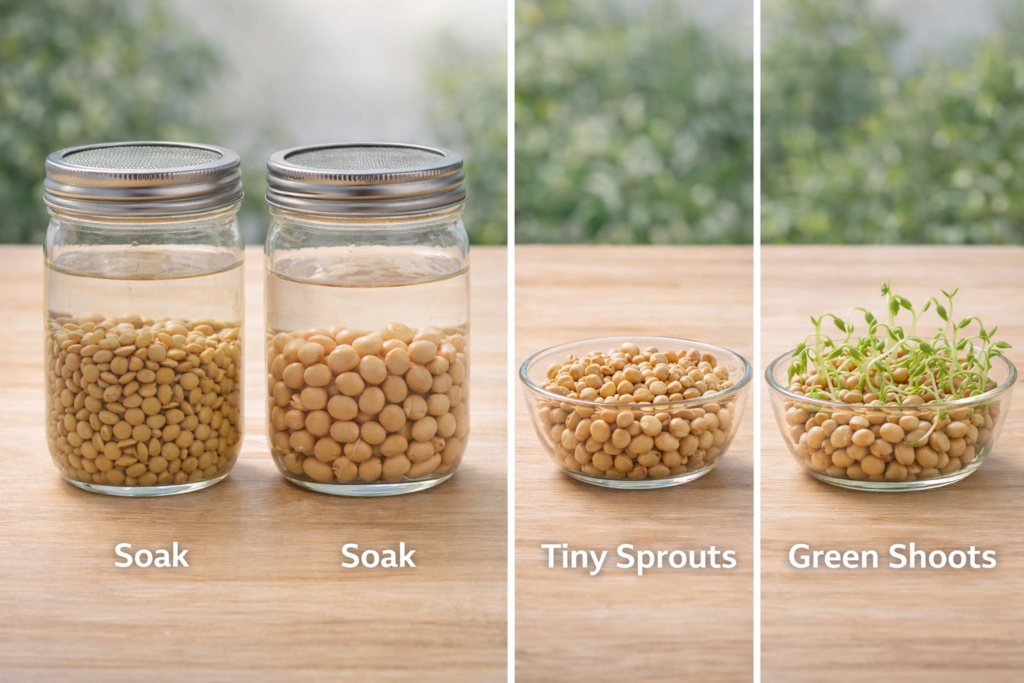
Sprouting foods that contain antinutrients increases absorption of beneficial vitamins and minerals, makes the food easier on digestion, decreases risk of allergic reactions, and releases more vitamins, amino acids, and fiber from within the seeds. Sprouted lentils, chickpeas, and grains are significantly lower in antinutrients than their unsprouted counterparts.
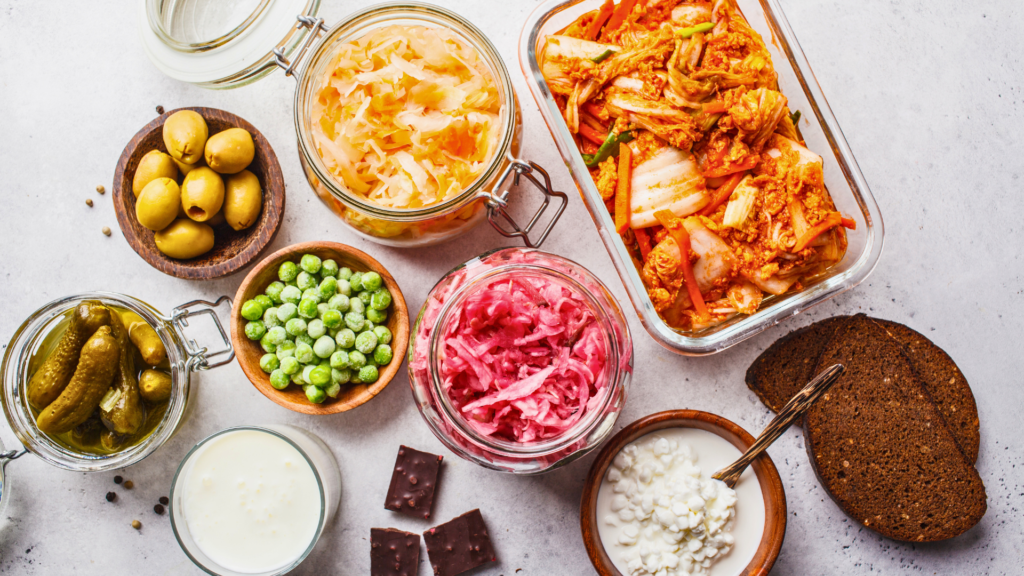
Fermentation is one of the oldest food preparation practices in the world, and it works. Sourdough bread, for example, has markedly lower phytic acid than conventional bread because the long fermentation process activates phytase enzymes [11]. The same applies to fermented legumes and vegetables. Beyond reducing antinutrients, fermented foods introduce beneficial bacteria that directly support gut lining integrity.
People who regularly consume high amounts of phytic acid can benefit from eating mineral-absorbing enhancers like garlic and onions with those meals. These foods increase the absorption of minerals like iron and zinc. Vitamin C also dramatically enhances non-heme iron absorption from plant foods [12].
The more varied your diet, the less any single antinutrient can accumulate and cause problems. Rotating your grains, legumes, nuts, and seeds also supports microbiome diversity.
Bloating is information. It’s your gut communicating that something needs attention, whether that’s the bacterial balance in your small intestine, the way you’re preparing your food, the state of your stomach acid, or the stress response that shuts digestion down before it ever gets started.
A few questions worth sitting with if bloating is a recurring issue for you:
Are you consistently bloating after legumes, grains, or nuts? Antinutrient preparation methods are worth exploring first.
Is your bloating worse after eating almost anything? SIBO, low stomach acid, or significant dysbiosis may be at play.
Are you a vegan or vegetarian relying heavily on plant proteins? Paying attention to phytic acid and mineral absorption is especially relevant.
Do you have an autoimmune condition or known gut permeability issues? Lectin sensitivity is worth exploring, ideally with a practitioner.
As always, my recommendation is to tune into your own body first. These are patterns and tendencies, not universal laws. What depletes one person nourishes another. The goal is to become a more informed, more attuned steward of your own digestive health.
For deeper reading on phytic acid, I’d recommend the detailed breakdown at bartoll.se, which offers a thorough look at the research.
If this resonated and you want practical tools for rebuilding your medicine cabinet with gut-supportive, plant-based allies, grab my free Natural Medicine Cabinet Remake Guide.
New to herbalism and wanting to understand which plants can support digestion, microbiome health, and beyond? My guide, How to Start Learning Herbs: A Practical Guide for Aspiring Herbalists, is a great place to begin.
And if you want a personalized deep dive into your own digestive health, I’d love to connect.
With roots and reverence, Marina
Disclaimer: This blog is for educational purposes only and does not constitute medical advice. Please work with a qualified healthcare provider for diagnosis and treatment of any health condition.
Works Cited:
→ Want more herbal wisdom like this? Start here.
If you’re feeling stuck, overwhelmed, or unsure where to start on your herbal journey, I’m here to help.
Let’s talk it through together.
I offer a free discovery call where we’ll explore your health or holistic professional career goals and map out supportive first steps tailored just for you.
Book a Complimentary Health Consultation
Book a Holistic Professional Tea Chat
 Ready to transform your medicine cabinet? The Natural Medicine Makeover Guide helps you swap synthetic fixes for safe, effective natural remedies. Packed with expert tips from a pharmacist + herbalist, it’s your go-to resource for a healthier, holistic lifestyle. Plus, see my favorite products in my herbal dispensary.
