



This guide focuses on the physical, hands-on remedies for womb and perineal healing, the practical protocols you can start using today.
For the broader context of why postpartum care matters and what traditional cultures knew about the sacred fourth trimester, read: Honoring the Fourth Trimester: What We’ve Lost and Why It Matters.
For comprehensive nutritional support, herbal infusions, nourishing recipes like bone broth and congee, and guidance on rebuilding your depleted body from the inside out, read: Postpartum Healing: Natural Ways to Support Body, Mind, and Spirit.
Now, let’s get into the practical remedies for your physical recovery.
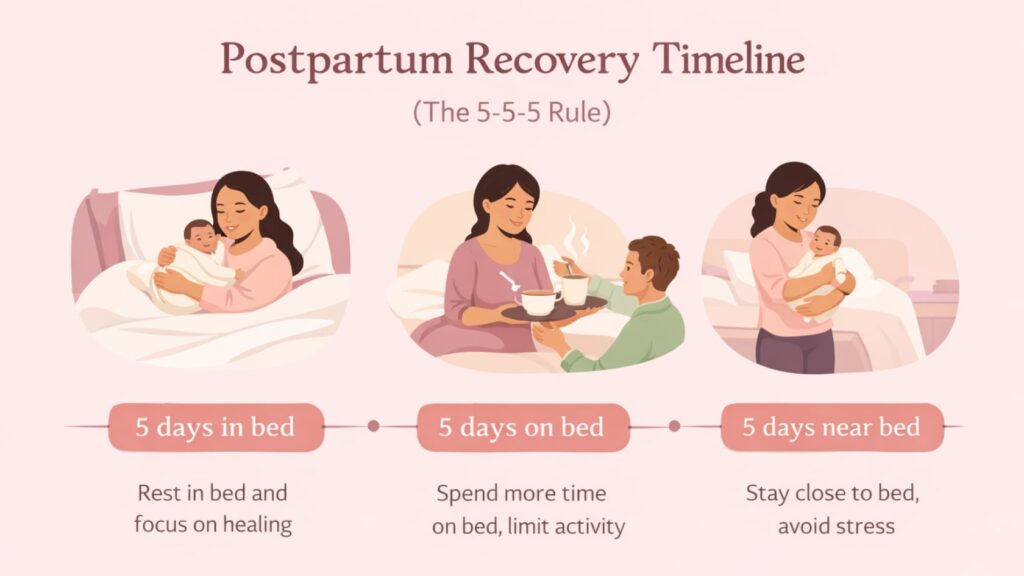
Whether you had a vaginal delivery or a cesarean section, your uterus has been stretched to accommodate a growing baby for nine months. Now it needs to contract back down to its original size, a process called involution.
Your vaginal tissue (if you delivered vaginally) may have stretched, torn, or been cut (episiotomy). This delicate tissue needs support to heal properly.
Your hormones are shifting dramatically as your body transitions from pregnancy to postpartum.
Your energy reserves are depleted.
This is not the time to “bounce back.” This is the time to rest, nourish, and allow your body the space it needs to heal.
Your body knows how to heal itself. These remedies simply support and accelerate that natural process.
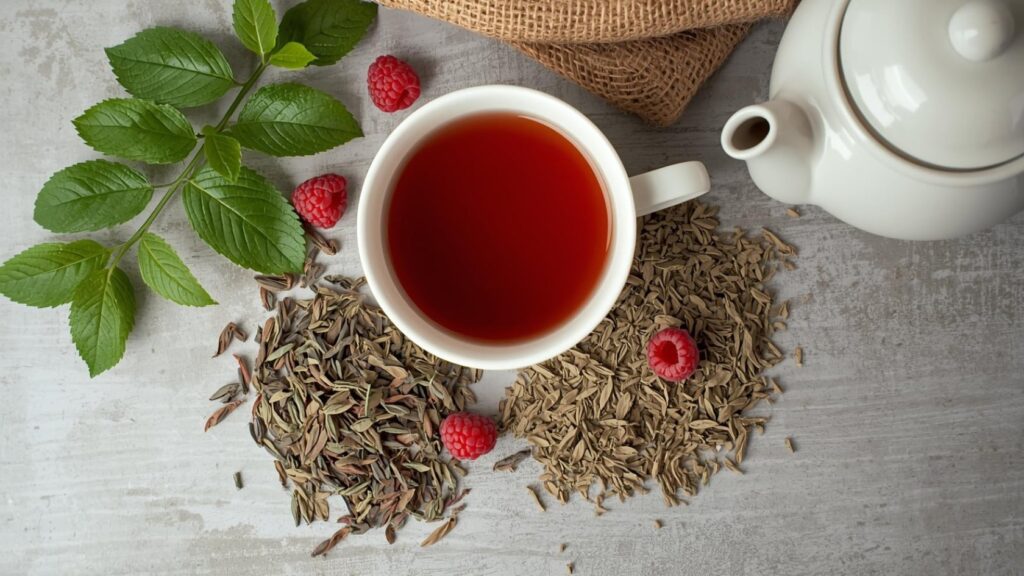
Raspberry leaf isn’t just for pregnancy. It’s one of the most valuable postpartum herbs for supporting uterine health and recovery.
Raspberry leaf (Rubus idaeus) contains fragarine, a compound that tones the smooth muscle of the uterus. After birth, this helps your uterus contract efficiently back to its pre-pregnancy size, reducing bleeding and supporting faster recovery [1].
It’s also rich in minerals, iron, calcium, magnesium, that your body desperately needs after the blood loss of delivery.
Drink 1-2 cups of raspberry leaf tea daily during your third trimester to prepare the uterine muscles for labor. This doesn’t induce labor (despite the myth), it simply helps the uterus work more effectively when the time comes.
For more on preparing your body for birth, read: Preparing for a Healthy Pregnancy 101.
Continue drinking 2-3 cups daily throughout the postpartum period. This supports uterine involution, reduces postpartum bleeding, and replenishes mineral stores.
Make a nourishing infusion by steeping 1 tablespoon of dried raspberry leaf in hot water for 15-20 minutes. This extracts more minerals than a quick 5-minute tea steep.
You can make a large batch and keep it in the fridge, drinking it warm or cold throughout the day.
Pro tip: Combine raspberry leaf with nettle and oatstraw for an even more mineral-rich postpartum blend. (See the complete recipe in Postpartum Healing: Natural Ways to Support Body, Mind, and Spirit.)
If raspberry leaf feels too strong for you postpartum (some women find it causes cramping), try strawberry leaf instead. It has similar but milder uterine-toning properties and a more delicate flavor. Brew it the same way as a raspberry leaf.
If you delivered vaginally, your perineum (the area between your vagina and anus) needs special care. Whether you tore, had an episiotomy, or emerged intact, this tissue has stretched significantly and needs support to heal properly.
Three powerful remedies can dramatically ease discomfort and speed healing: padsicles, sitz baths, and yoni steams.
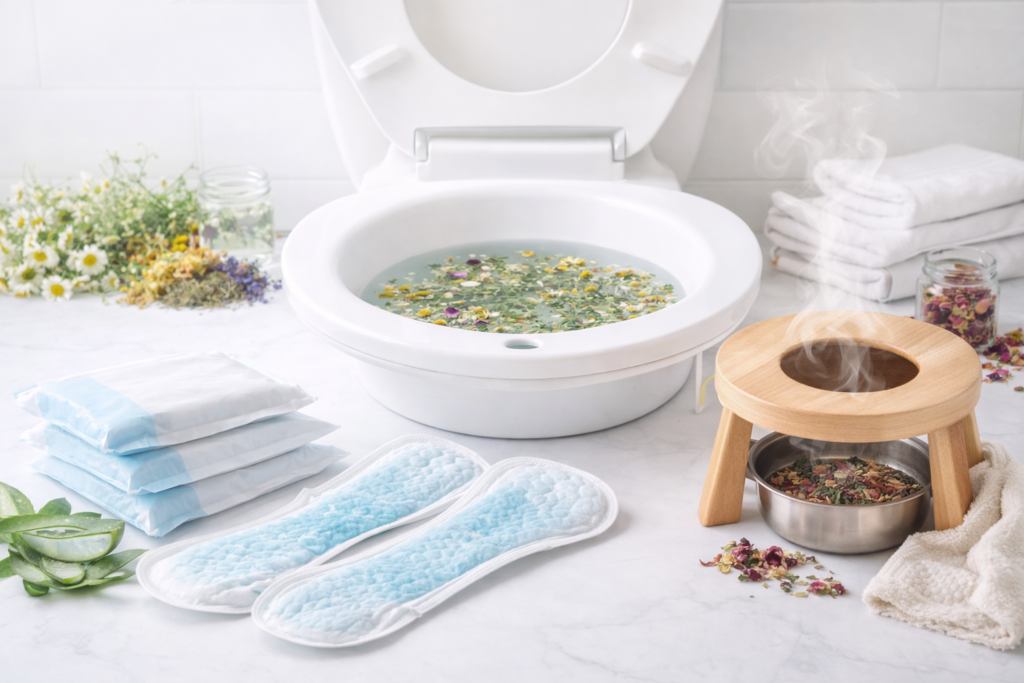
Padsicles are frozen herbal-infused pads that provide cooling relief, reduce swelling, and promote tissue healing. They’re especially helpful in the first 3-5 days postpartum when discomfort and swelling are at their peak.
I love the detailed instructions from Mama Natural’s Padsicles Guide, which offers multiple recipes depending on what you have available.
Remove from the freezer 5-10 minutes before using to allow slight thawing. You want cold, not frozen solid, you’re not trying to give yourself frostbite.
Use as you would a regular pad. The cooling relief is immediate and profound. It feels like heaven on sore, swollen tissue.
Pro tip: Make 12-20 padsicles during your third trimester so they’re ready when you need them. Future you will be so grateful. This is one of those things you don’t fully appreciate until you’re sitting on your couch postpartum, utterly exhausted, and someone hands you a ready-made padsicle.
You can also make padsicles using leftover sitz bath solution (see below). After brewing your herbal sitz bath, save some of the strained liquid, soak pads in it, and freeze. This gives you the benefits of the healing herbs plus the cooling relief.
A sitz bath is a shallow, warm bath specifically for your pelvic region. The warm water increases circulation, the herbs promote healing, and the practice itself is deeply soothing [2].
This is ancient wisdom. Women have been soaking in herbal baths after birth for thousands of years across cultures. There’s a reason the practice persists, it works.
Different herbs serve different purposes. You can use them individually or in combination:
If you don’t have time to source individual herbs (and let’s be honest, in those early postpartum days, you probably don’t), I recommend the Earthley Herbal Soothing Bath. It’s specifically formulated with comfrey, calendula, lavender, witch hazel, and yarrow for postpartum recovery.
The Earthley Postpartum Mama Bundle is also fantastic if you want a complete postpartum support kit that includes the sitz soak plus other essentials.
Bonus use: You can use the extra sitz bath solution to make padsicles (as mentioned above) or soak washcloths, freeze them, and use as cold compresses between baths.
The warm water feels amazing, the herbs support healing, and the 15-20 minutes of sitting still (not holding the baby, not doing anything else) is a forced rest, which you desperately need.
Yoni steaming (also called vaginal steaming or v-steaming) is an ancient practice found in Korean, Mayan, and other traditional medicine systems. It uses the gentle warmth and medicinal properties of herbs to support pelvic healing [3].
I know this might sound “woo-woo” to some. But this practice has been used for thousands of years across multiple unrelated cultures. That kind of cross-cultural consistency suggests something valuable.
Wait at least 2-3 weeks postpartum before beginning yoni steaming, and only after your bleeding has significantly reduced to light spotting.
Heavy bleeding is a contraindication. The warmth can increase blood flow, which you don’t want when you’re still bleeding heavily.
You sit over a pot of steaming herbal water, allowing the warm, herb-infused steam to gently reach your vaginal and pelvic tissues. The warmth increases circulation, the herbs support healing, and many women find it deeply relaxing and emotionally soothing.
It’s not about “cleansing” your vagina (your vagina is self-cleaning and doesn’t need help). It’s about supporting tissue healing, increasing circulation, and providing gentle warmth to an area that’s been through trauma.
Use the same healing herbs as in sitz baths:
Safety note: The steam should feel pleasantly warm, never hot. If it’s too hot, wait a few minutes or raise yourself higher above the pot. You’re not trying to cook yourself, gentle warmth is the goal.
Warm, soothing, grounding. Many women find it emotionally healing as well as physically supportive. It’s a way of honoring your body, of giving your pelvic region attention and care after the intensity of birth.
Some women cry during yoni steaming, not from pain, but from the release of held emotion. That’s normal and okay. Let whatever comes up, come up.
If you had a cesarean birth, your recovery needs are different but equally important. You’ve had major abdominal surgery: 7 distinct layers of muscle and tissue were cut through to bring your baby into the world.
Your body needs specific nutritional support to heal the incision, rebuild tissue, and recover your strength.
Vitamin C: Essential for collagen production, which is literally what your body needs to knit tissue back together. Your body can’t store vitamin C, so you need consistent daily intake.
Bioflavonoids: These work synergistically with vitamin C to strengthen capillaries and support healing. They’re found in the white pith of citrus fruits (the part people usually throw away).
Rutin: A specific bioflavonoid that’s particularly valuable for tissue repair and reducing inflammation.
Amla berry (Indian gooseberry): One of the highest natural sources of vitamin C. You can find it as a powder to add to smoothies or take in capsule form. It’s been used in Ayurvedic medicine for thousands of years.
Citrus fruits: Oranges, grapefruits, lemons, limes. Eat the whole fruit (including the white pith which contains bioflavonoids), not just juice. Juice is mostly sugar without the fiber and bioflavonoids that make the whole fruit medicinal.
Gotu kola: An Ayurvedic herb specifically known for wound healing and connective tissue repair. It’s rich in compounds that stimulate collagen production [4]. Available as tea, capsules, or tincture.
Other vitamin C-rich foods: Bell peppers (especially red), strawberries, kiwi, broccoli, Brussels sprouts, papaya, tomatoes.
Aim for 500-1000mg of vitamin C daily through food and supplementation. Divide doses throughout the day since vitamin C is water-soluble and your body will excrete excess (you literally pee out what you don’t use within a few hours).
Example:
Wait until your incision is fully healed (no scabs, incision fully closed, usually 2-3 weeks postpartum) before applying anything topically.
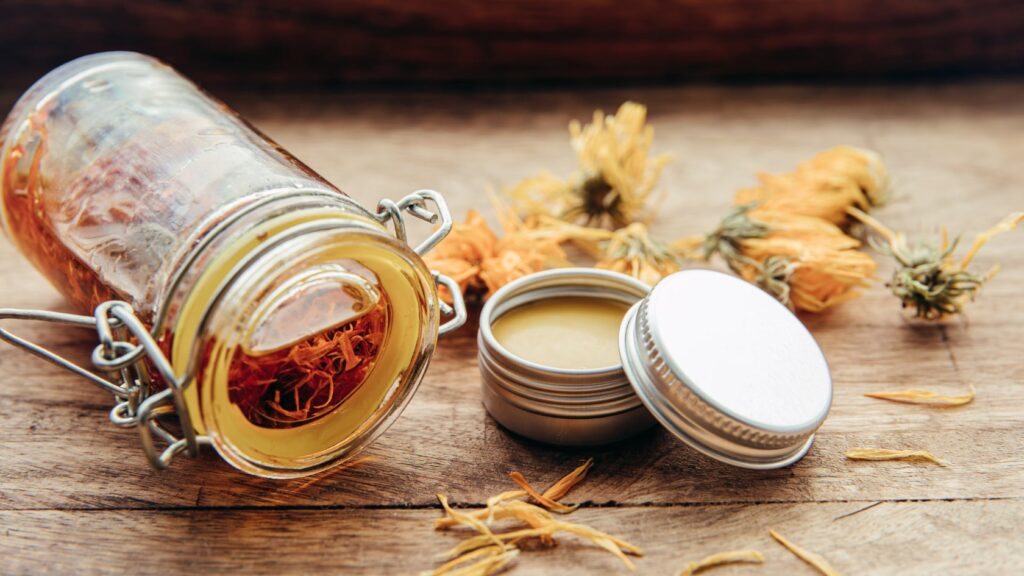
Once healed, apply vitamin E oil or calendula salve to your incision scar to support healing and reduce adhesions (internal scar tissue that can cause long-term issues).
How to do it:
Calendula salve is my favorite for this because it’s incredibly healing for skin tissue and has been used for centuries for wound healing.
C-sections create internal scar tissue, not just the visible scar on your skin, but adhesions inside your abdomen where tissue was cut.
These adhesions can cause:
Pelvic floor physical therapy can help with scar tissue mobilization, abdominal separation (diastasis recti), and rebuilding core strength after C-section.
This is not talked about enough: You can have internal scar tissue from a C-section that causes problems years later. Getting ahead of it with PT in the first few months postpartum can prevent long-term issues.
Ask your OB for a referral, or find a pelvic floor PT on your own.
Hemorrhoids are swollen veins in the rectal area, incredibly common during pregnancy and postpartum due to:
They’re uncomfortable, sometimes painful, occasionally bleed, but very treatable with natural remedies.
The same herbal sitz bath protocol I described above is your first line of defense for hemorrhoids. The combination of warm water, witch hazel, yarrow, and other astringent herbs provides immediate relief and promotes healing.
Use the Earthley Soothing Sitz Soak 2-3 times daily until hemorrhoids shrink and discomfort resolves.
The warmth increases circulation (which helps shrink swollen veins), and the astringent herbs tone the tissue.
For internal hemorrhoids or when you need more targeted relief, witch hazel suppositories are incredibly effective [4].
I recommend WiseWays Herbals Witch Hazel Suppositories. They’re made with all-natural ingredients including witch hazel, calendula, yarrow, horse chestnut, and other healing herbs in a cocoa butter base that melts at body temperature.
The cold suppository provides immediate soothing, then as it melts, the herbs get to work healing the tissue.
Most women notice significant improvement within 3-5 days of consistent use.
Horse chestnut (Aesculus hippocastanum) has been used for centuries for venous insufficiency and hemorrhoids [5]. It contains a compound called aescin that strengthens vein walls, reduces swelling, and improves circulation.
Dosing: 300mg standardized extract, twice daily (morning and evening).
Important: Use only products standardized to remove esculin, a toxic compound found in raw horse chestnut. Look for products labeled “escin” or “aescin” and stating they’re standardized.
Note: Avoid if you have liver or kidney disease, or if you’re taking blood thinners. Check with your healthcare provider if you’re unsure.
Most women see improvement within 1-2 weeks of consistent use.
Collinsonia root is a lesser-known but highly effective herb for hemorrhoids and varicose veins. Herbalists call it “stone root” because it was traditionally used for kidney stones, but it’s equally valuable for pelvic congestion and hemorrhoid relief.
Collinsonia improves venous tone (the strength and elasticity of vein walls) and reduces congestion in the pelvic region. Think of it as a tonic for your veins, it helps them do their job better.
Dosing: 1-2 mL of tincture, 1-2 times daily. You can take this long-term if hemorrhoids are persistent or recurrent.
Where to find it: Most herbal companies carry collinsonia tincture. Look for products from reputable companies like Herb Pharm, Gaia Herbs, or HerbEra.
Taste: It’s quite bitter (most medicinal herbs are). Take it in a little water or juice if the taste bothers you.
Collinsonia is especially good if you have varicose veins along with hemorrhoids, it addresses the underlying venous insufficiency that causes both.
No amount of herbs will fully resolve hemorrhoids if the underlying causes aren’t addressed. You need to support your body’s healing from multiple angles.
Stay hydrated: Drink at least 8-10 glasses of water daily. Dehydration leads to hard stools, which leads to straining, which makes hemorrhoids worse. This is non-negotiable.
Eat fiber: Fruits, vegetables, whole grains, and legumes keep stools soft and easy to pass. Aim for 25-30g of fiber daily.
Don’t strain: If you’re having trouble with bowel movements, don’t push. Straining is one of the main causes of hemorrhoids worsening. Consider a gentle stool softener or magnesium supplement (magnesium citrate is gentle and effective).
Use a squatty potty: Elevating your feet while on the toilet (6-9 inches) puts your body in a more natural squatting position for elimination, reducing strain on your pelvic floor and hemorrhoids. This is a game-changer. You can buy an actual Squatty Potty or just use a sturdy step stool.
Apply ice: Between sitz baths, apply a cold compress or use the padsicles you made for perineal care. The cold reduces swelling and provides numbing relief.
Move gently: Sitting or standing for long periods increases pelvic pressure. Take short walks (even just around the house) to improve circulation. But don’t overdo it, you’re still healing.
Avoid sitting on hard surfaces: Use a pillow or soft cushion (not a donut pillow, which can actually make things worse by putting pressure on the veins).
Most postpartum hemorrhoids resolve within 4-6 weeks with consistent natural treatment and lifestyle support. If yours persist beyond that, or if they’re severe, talk to your healthcare provider about additional options.
Whether you had a vaginal birth or C-section, your pelvic floor has been impacted.
During pregnancy, the weight of the baby puts months of pressure on your pelvic floor muscles. During vaginal birth, those muscles stretch dramatically (and sometimes tear). Even with a C-section, you still had 9 months of that weight-bearing pressure.
Your pelvic floor needs time and specific support to heal.
Don’t start doing Kegels immediately. I know this is counterintuitive, you’ve probably been told to do Kegels as soon as possible to “strengthen” your pelvic floor.
But here’s the thing: Your pelvic floor is not weak right now. It’s traumatized, stretched, and inflamed.
Doing Kegels on traumatized tissue is like trying to do bicep curls after tearing your bicep muscle. You wouldn’t do that, right? You’d let it heal first.
Wait at least 4-6 weeks before doing any pelvic floor exercises. And even then, start gently.
Rest: Your pelvic floor heals through rest, not exercise. Lying down takes pressure off the pelvic floor. This is another reason why traditional cultures insist on bed rest for 40 days.
Breathe: Deep diaphragmatic breathing (belly breathing) helps your pelvic floor relax and recover. This isn’t “exercise,” it’s restoration.
Avoid heavy lifting: No lifting anything heavier than your baby for at least 6 weeks (longer if you had a C-section or significant tearing). This includes laundry baskets, older children, groceries. Ask for help.
Don’t strain: Avoid constipation (see hemorrhoid section above). Straining puts enormous pressure on your pelvic floor and can worsen prolapse or tearing.
Support your abdomen: Belly binding (see below) provides external support while your core and pelvic floor heal.
This is not talked about enough, but it should be standard postpartum care.
Pelvic floor PT can help with:
You don’t have to “just live with” any of these issues. Pelvic floor PT can help.
Get a referral from your OB or midwife, or find a pelvic floor PT on your own (search “pelvic floor physical therapy” + your location).
Ideally, every postpartum person should have at least one pelvic floor PT evaluation at 6 weeks postpartum, even if you don’t have symptoms. Prevention is easier than treatment.
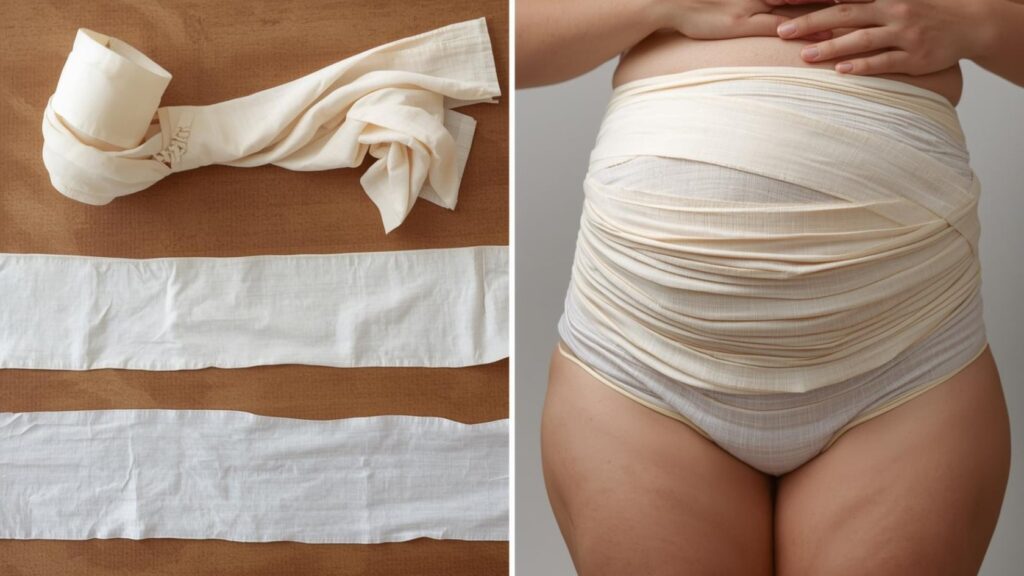
Many traditional cultures practice some form of abdominal binding, wrapping the mother’s belly with a long cloth or specialized wrap.
Benefits:
When to start: Within the first week postpartum (some cultures start immediately after birth).
How long to wear: 6-8 hours daily for the first 6-8 weeks, then as desired. Many women find it most helpful in the first 2-3 weeks.
What to use:
Where to get help: Some postpartum doulas or traditional midwives offer belly binding as part of their services and can teach you how to wrap properly.
This is not about “getting your figure back.” It’s about providing structural support during healing. The emotional component, feeling literally held together during a time when you might feel like you’re falling apart, is equally valuable.
One of the most common questions I get: “When can I start exercising again?”
The short answer: It depends.
The slightly longer answer: Listen to your body, move slower than you think you need to, and prioritize healing over fitness.
Your only job is to heal. Gentle walks around the house if you feel up to it. That’s it.
No stairs if you can avoid them. No lifting anything heavier than your baby. No standing for long periods.
Lie down as much as possible. This is not laziness. This is medicine.
Short walks outside (10-15 minutes to start, gradually increasing). Fresh air and sunlight are healing, but don’t push yourself.
Gentle stretching (nothing intense, just relieving tension).
Deep breathing (diaphragmatic breathing supports pelvic floor healing).
Pelvic floor PT exercises if cleared by your provider and working with a PT.
What to avoid: Running, jumping, high-impact anything, heavy lifting, core exercises like crunches or planks.
Gradual return to exercise:
Listen to your body: If something causes:
Stop. Rest. See your provider or a pelvic floor PT.
Your body is incredibly wise. It will tell you when it’s ready. The problem is, we’ve been conditioned to override those signals in service of productivity or fitness goals.
There is no prize for “bouncing back” fastest. The prize is a body that heals properly and serves you well for the decades of mothering ahead.
While herbs and physical remedies are powerful tools for healing, your womb recovery encompasses more than just tissue repair.
Rest: Your body cannot heal without adequate rest. The first two weeks postpartum should be primarily spent lying down, nursing your baby, and allowing others to care for you. This isn’t laziness. This is essential recovery. (Read more about why rest matters in: Honoring the Fourth Trimester: What We’ve Lost and Why It Matters.)
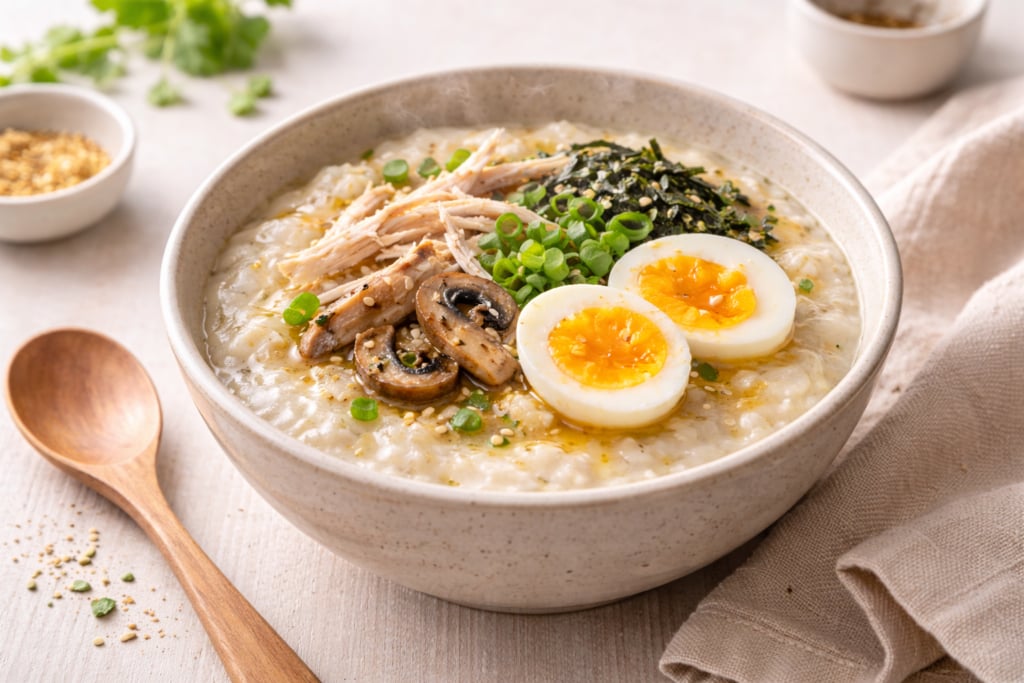
Nourishment: Your body is rebuilding tissue, producing breast milk (if nursing), and recovering from the most physically demanding experience of your life. You need warm, nutrient-dense foods—not just calories, but deep nourishment. Bone broth, stews, soups, healthy fats, iron-rich foods, and warm herbal teas. (Get specific recipes and meal guidance in: Postpartum Healing: Natural Ways to Support Body, Mind, and Spirit.)
Warmth: Keep your lower abdomen and pelvis warm. Cold slows healing. In traditional postpartum care across cultures, Chinese, Latin American, Ayurvedic, warmth is emphasized. Wear socks, use a hot water bottle on your lower belly (not directly on a C-section incision), avoid cold drinks and raw foods in the first few weeks. Your body is “open” after birth and needs to “close”, warmth supports this process.
Emotional support: Postpartum healing isn’t just physical. Make space for the huge emotional transition you’re experiencing. Cry when you need to. Ask for help. Accept that you’re in a liminal space of becoming (or becoming again). The herbs and remedies in this guide support your physical body, but you also need emotional and spiritual care.
Gentle movement: Once your provider clears you (usually 2-6 weeks depending on delivery type), begin gentle walking. Save intense exercise for later. Your pelvic floor and core need time to heal before you load them with impact or strain.
While natural remedies are powerful, some situations require professional evaluation.
Call your healthcare provider if you experience:
Heavy bleeding: Soaking through more than one pad per hour, or passing clots larger than a golf ball.
Foul-smelling discharge: Could indicate infection (normal postpartum bleeding/discharge should smell like blood, not foul or fishy).
Severe pain: Pain that’s getting worse instead of better, or pain that doesn’t respond to normal pain relief measures.
Fever: Temperature over 100.4°F could indicate infection.
Signs of infection at incision site (C-section): Redness, warmth, swelling, discharge, pus, or opening of the wound.
Painful urination or inability to urinate: Could indicate urinary tract infection or other issues.
Severe hemorrhoids: If they prolapse (protrude outside the body and won’t go back in), bleed heavily, or cause severe pain despite treatment.
Leg pain or swelling: Could indicate blood clot (deep vein thrombosis), this is an emergency.
Shortness of breath or chest pain: Could indicate pulmonary embolism (blood clot in lung), this is an emergency.
Severe headache or vision changes: Could indicate postpartum preeclampsia, this requires immediate care.
Thoughts of harming yourself or your baby: This is a medical emergency. Call your provider, go to the ER, or call the National Maternal Mental Health Hotline: 1-833-9-HELP4MOMS (1-833-943-5746).
Trust your instincts. If something feels wrong, get it checked. You know your body better than anyone.
To have everything ready for your womb recovery, gather these items during your third trimester (ideally by 36 weeks, in case baby comes early):
Having all of this ready before birth means you won’t be scrambling to order things on Amazon while you’re trying to heal and care for a newborn.
Future you will thank the present you for this preparation.

Your postpartum healing is sacred work.
In many traditional cultures, the first 40 days after birth are protected time. The new mother is cared for, fed warm nourishing foods, kept warm, allowed to rest, and supported in bonding with her baby.
Modern Western culture has largely lost this wisdom, expecting women to “bounce back” immediately.
But your body knows better.
Give yourself permission to move slowly. To prioritize rest over productivity. To ask for and accept help. To honor the magnitude of what you’ve just done.
The herbs and practices I’ve shared are tools to support your body’s innate healing wisdom. They work best when combined with adequate rest, good nutrition, and emotional support.
Your womb has performed a miracle. Honor that by giving it the gentle, patient care it deserves.
You’re not just recovering. You’re transforming.
And that takes time.
Comprehensive Postpartum Support:
Postpartum Healing: Natural Ways to Support Body, Mind, and Spirit – Complete guide to nourishment, herbs, recipes, emotional wellbeing, and more
Understanding Why This Matters:
Honoring the Fourth Trimester: What We’ve Lost and Why It Matters – The cultural and physiological context for sacred postpartum care
Preparing for Birth:
Preparing for a Healthy Pregnancy 101 – Get ready before baby arrives
Know Your Flow: The Four Phases of the Menstrual Cycle Explained – Understanding your body’s rhythms
Holistic Approaches to Menstrual Discomfort, Infertility, and Female Reproductive Health – Root-cause solutions for women’s health
Natural Relief for Menstrual Cramps That Actually Works – Evidence-based herbal protocols for period pain
5 Herbs Every Woman Should Know – Essential botanical allies
Mayan Womb Massage Self-Care Guide – Ancient healing technique for pelvic wellness
Natural Medicine Cabinet Makeover Guide – Transform your home pharmacy
Book a Free Discovery Call – Let’s talk about your postpartum healing needs and create a personalized plan
Shop My Herbal Dispensary – High-quality herbs and supplements I personally recommend
Becoming a mother (or growing your family) is one of life’s most profound transformations.
You’re not just healing tissue. You’re integrating a completely new identity. You’re learning to listen to your body’s wisdom. You’re stepping into your power as a nurturer while also needing to be nurtured.
This is holy work.
And you don’t have to do it alone.
Wishing you a gentle, supported, deeply nourishing postpartum recovery.
With deep respect for your journey,
Marina Buksov, PharmD
Holistic Health Coach | Herbalist | Mental Fitness Coach
Works Cited:
→ Want more herbal wisdom like this? Start here.
If you’re feeling stuck, overwhelmed, or unsure where to start on your herbal journey, I’m here to help.
Let’s talk it through together.
I offer a free discovery call where we’ll explore your health or holistic professional career goals and map out supportive first steps tailored just for you.
Book a Complimentary Health Consultation
Book a Holistic Professional Tea Chat
 Ready to transform your medicine cabinet? The Natural Medicine Makeover Guide helps you swap synthetic fixes for safe, effective natural remedies. Packed with expert tips from a pharmacist + herbalist, it’s your go-to resource for a healthier, holistic lifestyle. Plus, see my favorite products in my herbal dispensary.
