
PSA: Plastic is not a food group. But between water bottles, takeout containers, and microwave meals, we’re eating way more of it than we realize.
The dangers of eating plastic go far beyond choking hazards or digestive upset. Plastic containers leach endocrine-disrupting toxins like xenoestrogens, phthalates, and styrene—especially when exposed to heat or washed repeatedly with hot water.
📌 Children and pregnant women are especially vulnerable.
These chemicals can:
- Disrupt hormones
- Impair fetal development
- Affect neurological health
- Increase the risk of reproductive issues and cancers
Even seemingly safe habits—like reheating food or dishwashing—can speed up the release of toxins from plastics. Over time, your body stores these toxins in fat tissue, contributing to inflammation and chronic disease. In fact, plastic-related toxicity may be an underrated factor in the obesity epidemic.
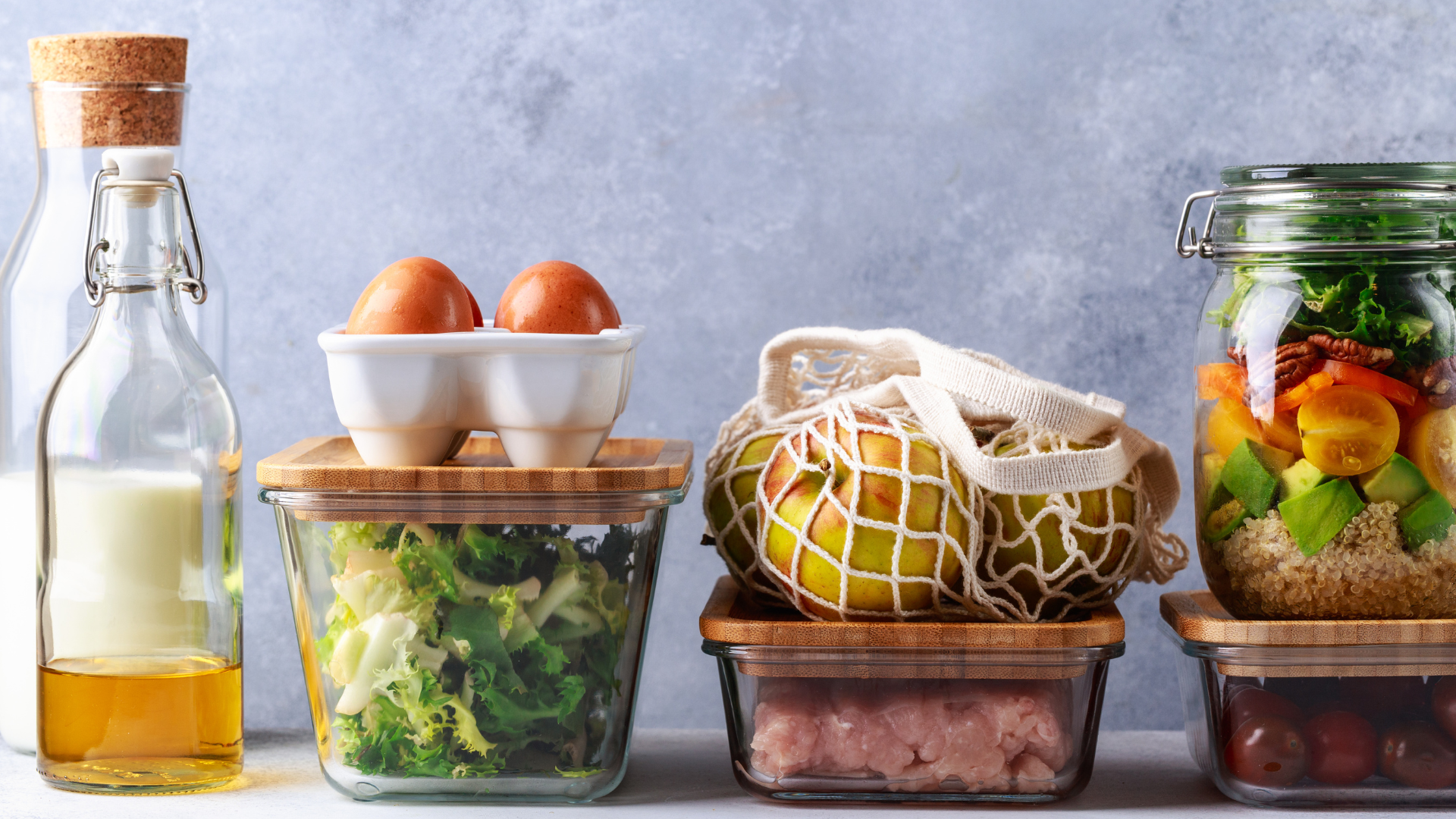
- Use glass or stainless steel food containers (Swap water bottles for stainless steel bottles, and fill it with quality filtered water, such as the BOROUX stainless steel countertop system – my personal favorite)
- Avoid heating or microwaving in plastic
- Choose natural-fiber clothing over synthetics to reduce laundry-based microplastic runoff
- Skip BPA-lined cans and plastic kettles (yes, even the fancy ones)
And no, bamboo textiles aren’t the eco-saviors you think. Many undergo extensive chemical processing.
Our choices matter. Every sip from a steel bottle, every cotton tee, and every food swap adds up.
Want support transitioning to a low-tox, high-vibe lifestyle? Read the guide of my favorite sustainable swaps!
PS Check out the Greenpeace campaign on plastic pollution and participate in their study to help us document the exact stats and levels of exposure.
PPS For a full list of natural health product swaps check out my Natural Medicine Cabinet Guide, and see my favorite products in my herbal dispensary .